


What Is a Trophy Property?







Understanding Trophy Properties
Most land deals involve what could be called commodity property.
These are the typical vacant parcels investors see every day. Five acres in a rural subdivision. A random wooded lot outside a small town. A desert parcel with minimal distinguishing features.
These properties can and do produce solid profits, but they usually compete heavily on price because many similar parcels exist in the same market.
Occasionally, however, a property appears that stands out from everything else around it.

It has a rare feature. A desirable location. Something that makes buyers immediately take notice.
These properties are often referred to as trophy properties.
A trophy property stands out because it has a rare, prestigious, or highly desirable feature that makes it significantly more appealing to buyers than typical vacant land.
These properties often include attributes such as waterfront access, adjacency to public land, exceptional views, or premium recreational value, making them scarce and capable of commanding higher prices than ordinary parcels.
What Makes a Property a Trophy Property?
Several characteristics typically separate trophy properties from ordinary vacant land.
These properties usually contain one or more features that are difficult to replicate or replace. When those features exist in limited supply, demand tends to increase.
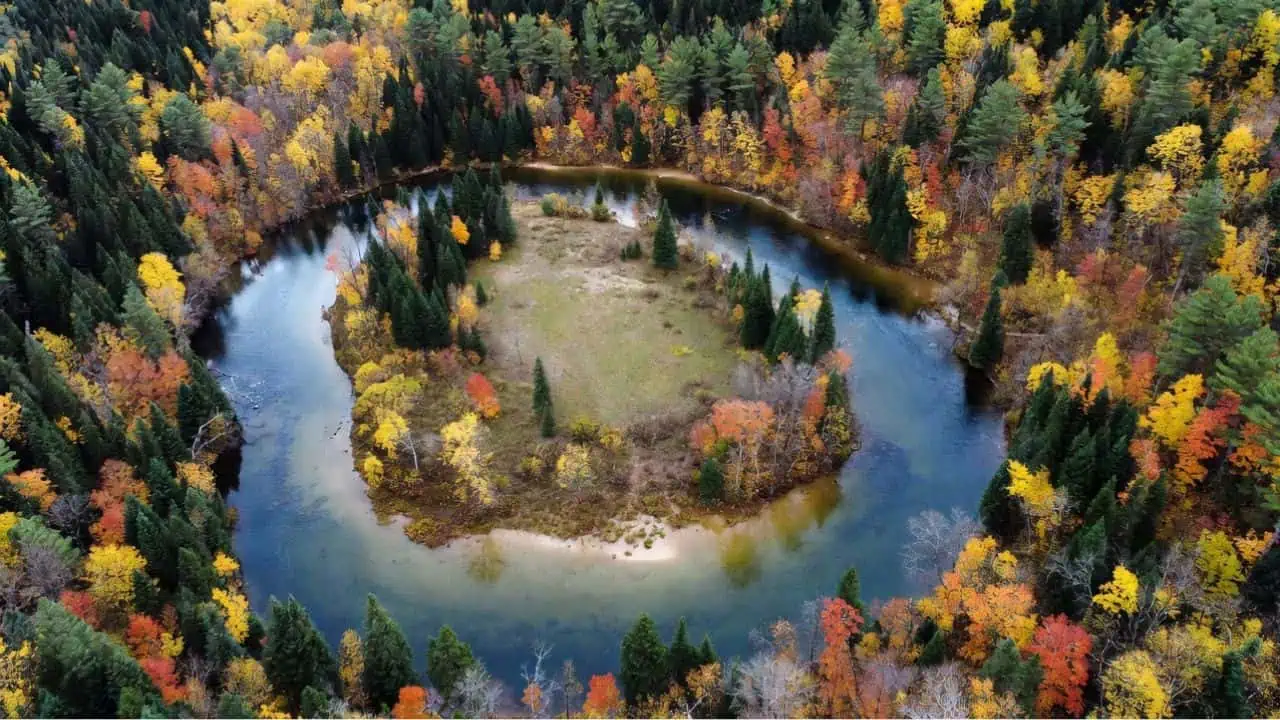
Some of the most common characteristics of trophy land include:
- Waterfront access: lakefront, riverfront, oceanfront, or canal-front property
- Adjacency to public land: parcels bordering BLM land, national forests, or state land
- Exceptional views: mountain, canyon, or ocean views
- Recreational appeal: hunting, fishing, boating, or outdoor recreation
- Privacy and seclusion: large parcels with limited nearby development
- Prestige locations: areas known for luxury homes, vacation properties, or outdoor recreation
These features often make the property more desirable, even when similar parcels without those features exist nearby.
Commodity Land vs. Trophy Land
To better understand trophy properties, it helps to compare them with commodity land.
Commodity land is interchangeable. Large numbers of similar parcels in the same market mean buyers tend to focus primarily on price.
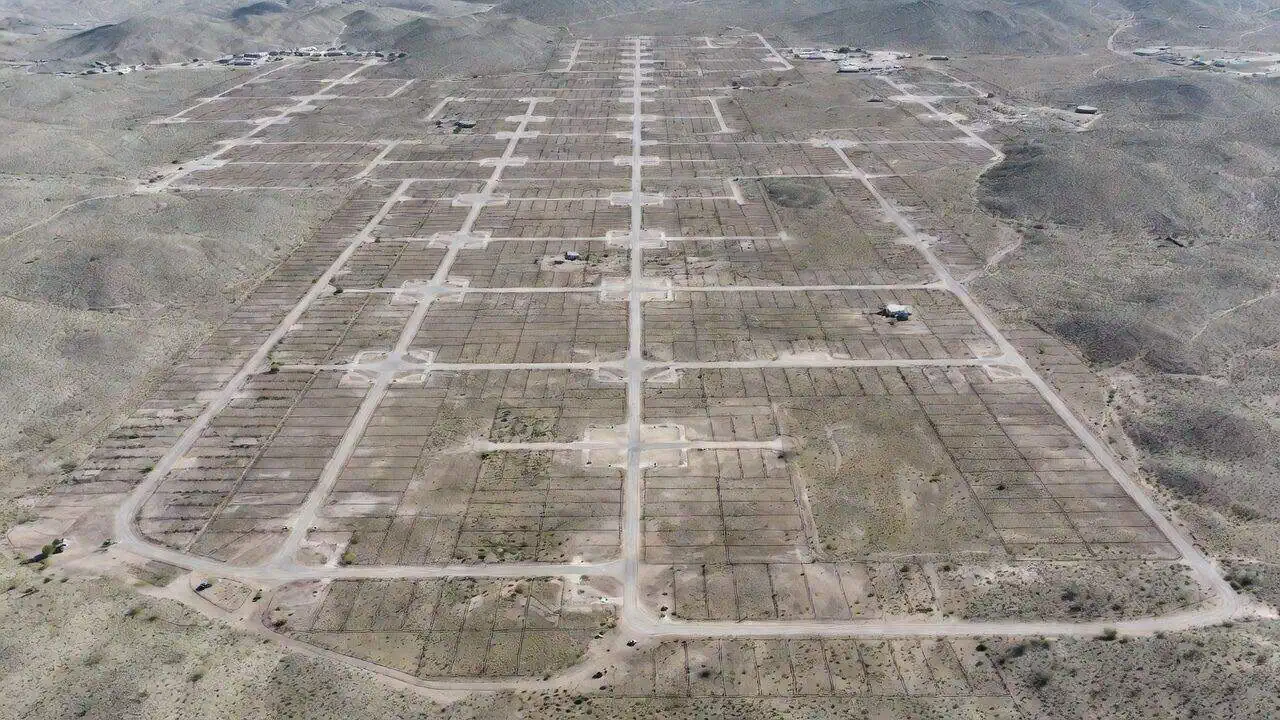
Examples include:
- Rural subdivision lots
- Desert parcels in large developments
- Small acreage tracts with no unique features
When buyers compare these properties, the cheapest option often wins.
Trophy land works differently.
Instead of competing mainly on price, trophy properties compete on desirability. Buyers may be willing to pay more because the property offers something unique that other parcels cannot match.
Why Trophy Properties Can Be More Valuable
Trophy properties often benefit from one powerful factor in real estate: scarcity.
In many markets, thousands of generic parcels may exist, but only a handful of properties offer premium features such as lakefrontage or adjacency to public land.

Limited supply combined with strong buyer demand can lead to higher prices and faster sales.
These properties can also appeal to buyers who are not simply searching for inexpensive land. Instead, they may be looking for a recreational property, a legacy property for their family, or a location with personal significance.
When buyers form an emotional connection to a property, price can become less of a deciding factor.
Trophy Properties Are Market-Specific
The definition of a trophy property depends heavily on the local market.
A feature that creates strong demand in one region may not matter much in another.
For example:
In western states, trophy properties may include parcels with mountain views, access to public land, or premium hunting opportunities.
In coastal areas, trophy land may include beachfront lots, canal-front properties, or ocean-access parcels.
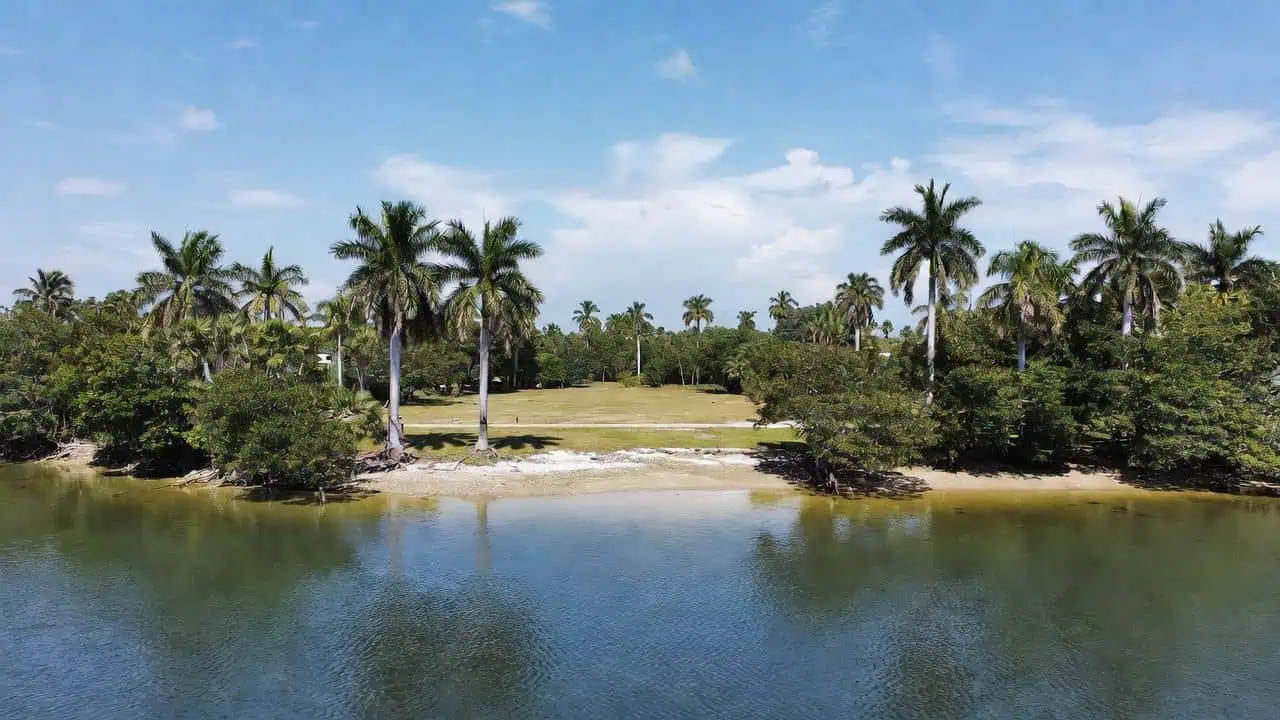
In lake-heavy regions, lakefront property often becomes the most sought-after land in the market.
Identifying trophy property opportunities requires understanding what buyers in a specific area consider valuable.
How Investors Identify Trophy Properties
Because trophy properties are relatively rare, they are often discovered through targeted research rather than broad marketing campaigns.
Some common ways investors identify these properties include:
- Studying listings on land marketplaces such as Land.com or Zillow
- Reviewing maps to identify waterfront parcels
- Looking for properties bordering public land
- Searching for areas known for recreational demand
- Examining aerial imagery for unique terrain or views
Instead of sending marketing to thousands of properties, investors may build smaller, highly targeted lists focused only on these premium parcels.
Marketing Matters More With Trophy Properties
When selling trophy land, presentation can significantly influence the outcome of the sale.
Because these properties rely heavily on visual appeal and unique features, strong marketing can make a major difference.
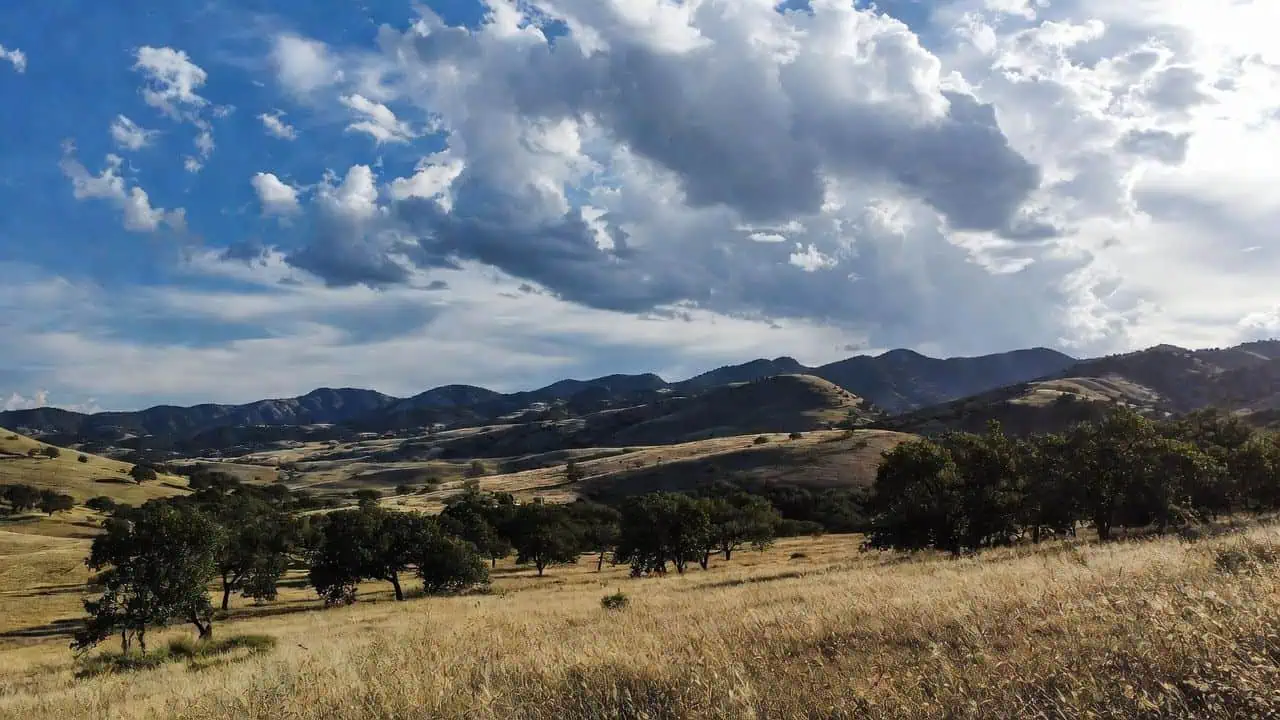
Effective marketing strategies often include:
- Drone photography and aerial video
- High-resolution images of the property and surrounding scenery
- Detailed descriptions highlighting unique features
- Maps showing proximity to recreation areas
- Clear explanations of property access and build potential
The goal is to help buyers immediately understand why the property stands out.
When Trophy Properties Appear
Most land deals involve ordinary parcels that trade primarily on price.
However, when a property with rare features appears, it can create a very different opportunity.
These properties may attract more attention, stronger buyer interest, and potentially larger profit margins compared to commodity land deals.
Recognizing these opportunities requires paying attention to the characteristics that make certain parcels unique within a market.
Conclusion
A trophy property is a parcel of land that stands out because it offers rare, prestigious, or highly desirable features that typical vacant land does not have.
These properties often include attributes such as waterfront access, scenic views, adjacency to public land, or strong recreational appeal.
Because they are scarce and emotionally appealing to buyers, trophy properties can behave very differently from ordinary land deals.
For land investors who learn to recognize these opportunities, trophy properties can be among the most valuable and interesting deals in the vacant land market.