






In this episode, I’m joined once again by Vernon Henry, a land investor and former professional landman with over 20 years of experience in mineral rights.
If you’ve ever bought or sold land and wondered, Do I own the mineral rights, or could an energy company drill on my property? This episode is for you.
Vernon breaks down the complex world of mineral rights into simple, actionable knowledge. We cover:
- What mineral rights actually are
- How they’re severed from surface rights
- Vertical and horizontal severance
- How to determine if you own the minerals
- How oil companies pool units
- Why landowners receive royalties
- How to value mineral rights
- Where to sell or buy mineral rights
- What to do if your property sits above valuable resources
This is a must-listen for anyone in land investing, real estate, or mineral acquisition.
Links and Resources
- AcreEquityFunding.com (Vernon’s Website)
- Mineral Rights for Land Investors (FREE PDF Download!)
- USMineralExchange.com
- EnergyDomain.com
- EnergyNet.com
- Oil & Gas Asset Clearinghouse
- Landman.org (AAPL)
- Landgate.com
- 167: 1031 Exchanges for Land Investors
- WellDatabase.com
- Texas Railroad Commission GIS Website
Key Takeaways
In this episode, you will:
- Learn how mineral rights are separate from surface rights and may not transfer with your land deed, even if the title appears clear.
- Discover that mineral rights owners have dominant legal rights over surface owners and can access their minerals through your property with compensation.
- Understand that mineral rights require specialized title searches going back to original government patents, which regular title companies don’t perform.
- Find out about marketplaces like EnergyNet and U.S. Mineral Exchange for buying/selling mineral rights, plus how to hire landmen for research.
- Realize that mineral rights can significantly increase your land’s value through lease bonuses and 20-25% royalty payments from production.
Episode Transcript
Editor's note: This transcript has been lightly edited for clarity.
Seth: Hey, everybody, how's it going? Welcome to the REtipster podcast. This is episode 227. And today I'm talking again with Vernon Henry.
So why are we talking again? Well, if you caught our conversation back in episode 218—you can find that at retipster.com/218—you might have noticed we touched really briefly on Vernon's past life when he used to work as a landman for an energy company, where he would go out and secure leases. He would have to do a lot of deep title research to secure the mineral rights so they could drill on certain properties. And his career went much further than that, too. He ran a mineral fund with a specific goal of going out and buying mineral rights. So he did the research. He did the valuation. He knows a ton about how this business works.
As we were talking last time, it kind of led to a deeper conversation, no pun intended, about how mineral rights work. And as we talked more, I realized how much I didn't actually know about this subject and how much I wanted to know more about it. And that's what we're doing here today. You're about to get a great education all about mineral rights.
And interestingly, the last time Vernon and I talked, in the following month or two after that, I got a bunch of random questions from people about this subject, about mineral rights. And I just kept thinking, I don't know. I got to talk to Vernon about it and learn this stuff. So if you're ever buying land and wondering if it comes with mineral rights, or if you're ever selling your land and your buyer wants to know if they're getting the mineral rights, and you know, how much do mineral rights even matter? Are they worth something? And is there anything consequential or not about owning the mineral rights? We're going to cover a ton of ground here.
And even beyond that, Vernon put together a lot of great information about this. I'm going to include all of that in the show notes for this episode, retipster.com/227. And Vernon was even thinking about creating like a custom GPT or something with all this knowledge built into it. Maybe he will at some point, but in the meantime, be sure to check out the show notes, again, retipster.com/227. You'll find a ton of explanation about all this stuff far beyond what we're going to be talking about here, along with some imagery to help you visually understand what's going on here.
So, Vernon, welcome back. How's it going?
Vernon: Hey, Seth. Thanks again for having me. And yeah, everything's going great. I enjoyed our last conversation and am really looking forward to this one. Hopefully, I can shed a little bit of light on what seems somewhat complicated, but I think if we look at it from a kind of high-level perspective, I think most land investors will understand it. But certainly gets into some nuance there that I learned over about 20 years of working with mineral rights that hopefully I can help distill it down to something that's manageable.
Seth: Beyond what I mentioned there in that intro about your background, is there anything else you want to mention about that? Anything that would be relevant or helpful to know? Or did I kind of nail it? What do you think?
Vernon: There is a whole world out there of oil and gas professions. And the landman role is very important in this business. It's very much a commercial role. The famous saying is "no lease, no grease."
So most of my history is in oil and gas, but this basically relates to any kind of mineral interest, any kind of extraction of minerals, whether it's coal or lignite or lithium, which is a big one that's growing right now, but essentially it all kind of works the same. And so the landman is a very integral piece to oil and gas companies and to these other companies because the title is a bit unique. It runs on its own chain of title. And so I have to kind of explain as best I can to folks. And anybody who wants to reach out to me after this, I'm an open book. So always happy to have that conversation.
Seth: Sure. To kind of kick this off, what are mineral rights and how are they different from surface rights? Like if I go out and buy a piece of land, they sign the deed over to me, and I can pretty safely assume, as long as that title is clear, what I'm getting are the surface rights to use the surface of that land. But the mineral rights... They may not necessarily be coming along with that, right? So when we say mineral rights, what are we even talking about?
Vernon: Sure. Yeah. Let's go back to where, you know, at one point, the state or the federal government conveyed all the rights. We call it fee simple rights to a parcel of land. 640 acres was generally the beginning size of those conveyances.
And there are some areas of the country where that happened and there are some areas of the country, like a lot of the western states where the state and federal government own both the surface and the minerals; they never conveyed those out. But most of the central U.S. and eastern U.S. is privately owned and that was conveyed from a government to an individual and with that came all of the rights to that parcel of land from the surface all the way down to the core of the earth.
And so what happened over time is people started slicing off, reserving, and conveying out different portions of those rights based on the value that they had at that time. And this continues to evolve even today. And so we look at it and we talk about it as, like, a bundle of sticks. It started as one bundle, but you can sort of take pieces out of that bundle and convey them or reserve them to the entity. I mean, mineral rights are a real property right, just the same as surface rights are. And they all started with one owner. And then over time, like I said, they get conveyed out.
Here's a brief example. We'll go into this a little bit later. But if in, you call it 1850, the Texas government conveyed to John Smith 100 acres, and then somebody came along and said to John, "Hey, John, I want to buy a portion of your mineral rights, and in exchange, I'll give you X amount of dollars." And John said, "Well, you know what, I need the cash right now, so I'll give you half of my mineral rights for $1,000 or whatever the trade was at that time."
So John keeps the surface. John keeps half of the minerals, but the other half of the minerals goes to this buyer. And so from there, that's where the chain of titles splits. And so everything that John conveys going forward is subject to half of the minerals that somebody else owns. And the other half goes with the surface. And so over time, these rights get split out and they're undivided. So if I have a hundred acres and I own 50% of the mineral rights under that 100 acres, I own 50 net mineral acres. So it's a fractional ownership under a specific portion of land.
Seth: And we're not talking about, like, okay, this guy owns those 50 acres and I own this. It's more like I own 50% of all the acres, right?
Vernon: Yeah, well, under a certain legal description. And it doesn't always follow the surface, right? So I could own 50% of under 100 acres, and then the surface of that 100 acres gets split up into five acres, 10 acres, you know, like we do in subdividing. But my minerals still cover 50% of all of the oil and gas or minerals underneath that legally described tract.
Seth: On that, I know we can go deeper to this and we probably will, but we're talking about 50% of the mineral rights going all the way down to the earth. But we can even get more specific than that. We can say, no, we're talking about certain minerals. So like the oil, but not whatever gold you find, you know, that kind of thing. Or you could say, we want to own from zero to a thousand feet deep, but not any deeper than that, right?
Vernon: Yep. There's vertical and horizontal severance. So there are the rights, like within these hundred acres down to the core of the earth. And then there are rights within that hundred acres between certain depths. So this came about when different oil and gas companies saw different prospects deeper or shallower. And let's just say they started producing in the shallow zone, but then they decided, hey, we think we can go deeper. And prospectors and people would go out there and say, "Well, hey, look, I'll buy your deep rights from you and you keep the production on the shallow rights, but I'll buy those deep rights and I'll pay you something now. And it's a risk. It may never produce or it may produce. And so I'll pay for that right now." And so that started getting sliced up.
If you look in the Midland Basin out near Midland and Odessa...
Seth: Is this Texas you're talking about?
Vernon: This is in Texas. Yeah, this is the largest oil and gas producing basin, one of the largest in the entire world, a major, major resource. And there are a ton of different horizontal strata that can be produced under a single piece of property, depending on where it is in the basin. And so those rights started getting sliced up horizontally to where somebody would hold, you know, one depth, somebody would convey another depth or keep a portion of that depth and convey out the rest of it.
And so all this is done through the deeds, through warranty deeds. So you can convey out your surface and reserve the minerals. So that's where you reserve a portion of what you own, or you can specifically convey out a portion of what you own or all of what you own. And it's all just done through the courthouse. You can create a specific mineral deed, which conveys the minerals. You can convey royalty rights. So I may keep the minerals but let you have a portion of the royalty that's produced.
Seth: When we say royalty, is this a lease payment? Or are we talking about the revenue that's made by the energy company when they take the minerals out and sell them, or is it both?
Vernon: Yeah, well, those are two different rights. So I can keep the right to sign a lease. I can keep the right to get a bonus, but I can convey a portion of the royalty. And the royalty is really just a portion of the revenue that's generated from the production that's sold out from under the property.
Seth: And what are executive rights?
Vernon: Executive rights are the rights to sign a lease and to allow somebody else to drill on your property.
Seth: Okay, so you could have that but not necessarily make any money from it?
Vernon: Yep.
Seth: Okay, I don't know why that would even be a thing, but—
Vernon: It's happened, definitely.
And why does that happen? It really just comes down to opportunities that people see and people that are speculators—they used to call them speculators—but oil and gas investors that would say, "Well, hey, look, just give me the royalty. But you can collect any of the bonuses from a lease." And typical leases include a bonus payment. So when you sign the lease, you get X dollars per acre as just a bonus payment. That's just for signing the lease. Usually it's a three-year term. So after you sign the lease, the operator has about three years to go drill a well.
If they don't drill a well, then the lease expires. If they do drill a well, then that lease is held by production as long as there's production from that well. So when that well starts producing, it generates oil, gas, sold, and it creates revenue. And so the portion of that lease that is called royalty is a royalty payment that's made to the owner of those minerals in exchange for allowing that company to drill.
If I own 100% of the minerals under my 640 acres, I can drill a well. But most people don't have 5 million, 10 million, or 15 million dollars to drill a well. So they allow a company like an oil and gas company to use their rights and assign their rights to them.
And in exchange, the payment is a bonus payment up front and then a portion of the production, which is usually about 12.5 percent of the old leases. Newer leases typically pay 20 to 25 percent royalty.
Seth: When I just hear the term mineral rights thrown around in generalities in terms of why it matters, is it usually because of oil and gas? Like, are there other minerals that people like, oh, I want to get those. Like, I want to get the copper or I want to get the gold or whatever else it is. Are we usually talking about the energy sector? Or are there other common reasons why mineral rights are super important in certain areas?
Vernon: Yeah. I mean, all of it's really geologically driven and technologically driven and economically driven, right? So if you look at the geologic map of the US, I mean, there's a lot of the US that just doesn't have really any marketable and valuable mineral rights. But I'd say the biggest industry is the oil and gas industry. And so we think about oil and gas. I mean, before that, it was coal. So the coal rights were very important. And, you know, over time, that's evolved. And, you know, there's less coal mining now. And in East Texas, there's a big lithium play that's going on right now. And so lithium wasn't needed or important 15 years ago, but now with all the battery technology and we need lithium for batteries, it's become more valuable. And now it's sort of worth thinking about, you know, companies spending money on extracting it. So where is it and is it worth trying to get it out of the ground? I think that's really what it comes down to.
Seth: Yeah. So going back to what we were talking about in terms of, like, 50% of the mineral rights or a certain depth of mineral rights or specific minerals underneath the ground. Is that what we're talking about when we say fractionalized? Where basically it's not everything anymore. It's just bits and pieces in one way or another.
Vernon: Yep. And we call it undivided, right? And so it covers a certain portion of a legal description, 100 acres, but is a fractional, undivided interest. So, like anywhere within that, you own a certain type of rights.
Seth: So if somebody says you own 20% of the minerals or 20% of my minerals, is there some difference between those two things?
Vernon: Yeah, absolutely. Well, the conveyance language is very, very important in a deed. So let's just say somebody owns 100% of the minerals; they give a warranty deed. Let's just say they own the surface and the minerals; they give a warranty deed. That is going to be all right title and interest in that property. And so if they own the minerals, it's going with it.
Now, where things start to get severed is through reservations and conveyances. So if I'm giving you this 100 acres, but I'm reserving my mineral rights, there has to be language in that deed that says "less and except all oil, gas, and other minerals are being reserved." And so that's like, I'm giving you everything, but I'm holding on to this right here.
And then there's the conveyance where I'm giving you a piece of what I own or all of what I own. For instance, here's an example: let's just say I own 20% of the minerals. If I give you 20% of the minerals under this property, I'm giving you everything that I own. I'm giving you 20%. I own 20%. I'm giving you 20%. It's almost the same as saying I'm giving you everything that I own, right? But if I say I'm giving you 20% of what I own of my minerals, then I'm giving you 20% of 20%, which is what, 4%?
There's tons of litigation that happens every single day on this stuff. The nuances, one word in a conveyance can mean a completely different thing and cause big economic differences further down the chain of title.
Seth: If I'm looking at a deed, and if I see the words undivided interest, I'm getting a warranty deed for the undivided interest in a property. Does that mean I can assume I'm getting the mineral rights because they haven't been divided yet? Or once mineral rights are held back, does that mean going forward now, nobody can ever say undivided anymore because it has been divided? Like, you can't say you're conveying all of it when you're not.
Vernon: Yeah. So the word undivided interest is not used as much in the conveyance language. And usually somebody owns the surface; they're going to reserve either all or a portion of what they own. And first of all, you can't convey anything that you don't own. So if all of the minerals have been reserved prior to my seller getting the minerals or getting the surface, even if his seller had given him everything that he had, and then he gives me everything he had. Well, maybe the minerals were reserved 100 years before, right? And so you can't convey what you don't own.
Seth: We're starting to get into, like, the title search area of this conversation, but that almost makes me think of a quitclaim deed where I'm basically saying, like, everything I own, if anything, I'm now conveying to you, no guarantees, but a warranty deed, isn't that a guarantee? So you're saying, like, yeah, I'm giving you all of it. It's all yours now. Is there certain wording in a typical warranty deed that says, except for mineral rights or something like this doesn't cover that part?
Vernon: There are permitted encumbrances to a deed. And so if there were minerals that were conveyed prior to that conveyance, or there were reservations in prior title, that's going to be carved out of a typical deed. But you're right. There is nuance between a quitclaim deed. I'm giving you anything that I own, whatever it is, I'm not warranting any of that. And then there's warranty language that you can add, and you can add that same warranty language into a mineral deed. You can say, I'm giving you X acres of minerals or a 50% interest in these hundred acres. And that's a warranty. You're right.
Seth: Because I remember seeing that in warranty deed templates, talking about, like, except for all encumbrances and that kind of thing. I guess what they're talking about there is like the mineral rights portion of it, if it's been held back. If it's been held back.
Vernon: If it's been held back. Okay, gotcha.
Seth: When you're doing a title search specifically to understand the mineral rights situation, I know a lot of times when I see title searches from title companies, they might go back like 40 years or something and they just stop at that point. I don't know why they just say, yeah, it's probably fine because that was a long time ago, but I don't know. But mineral rights searches, do they always have to go way back to the beginning of when the U.S. government conveyed everything to the private owners?
Vernon: Yeah. I mean, surface usually stays together. I mean, look, we deal with undivided surface estate a lot, but it usually comes back together because when people inherit a piece of property, let's just say they're four brothers, they inherit a piece of property. Well, typically, you can't really do a whole lot with that surface. If I spend $1,000 on that surface, it's for the benefit of all the other owners. And they're technically undivided owners. But that usually comes back together when one person decides to buy it because they don't want an undivided interest owner owning this portion and that portion.
And so oil and gas usually stay undivided because every owner has their own rights to access their minerals. And so it may not follow the surface. You know, there may have been 100% conveyance of the mineral rights in 1850 or 1890 when somebody was out there drilling in Spindletop or one of the early oil and gas exploration, where somebody came along and bought all the minerals from the surface owner. And, you know, the surface goes on and it gets split up and comes back together and so on and so forth. But the minerals stay severed.
And it's interesting because that usually just follows family title. Somebody dies, they have three kids, each one of those kids inherits a third of those mineral rights, and then one person decides to sell half, and the other two have three kids, and that guy has five kids, and this guy has one kid, and that half goes over here, and so it's like a third of a half of a quarter, and you get these fractions that add up, and really to know the true picture of that, you have to go all the way back to where it was all one fee interest, because you may have missed a conveyance in 1890. And thought, oh, look, it looks like it all stayed together, when in fact, it went a completely different direction.
Seth: If somebody held the mineral rights back, I don't know, 100 years ago, and that person is long gone, if they didn't have some kind of a trust set up so that their heirs get it, like, I know another example I heard from Chris. Chris, if you're listening to this, this is your example. I believe he was trying to buy a property, but the mineral rights were owned by an LLC from, like, a number of years ago. And that LLC was now dissolved. Like it was defunct, didn't exist anymore. So, like, do they still own those mineral rights or how do you account for that?
Vernon: That's a really good question. I didn't really run into that a whole lot when I was running title, but I would think that basically the owners of that LLC would then own in a pro rata way or pro rata share their portion of the mineral. So if I owned 50% of that LLC and it dissolved, it would go to me. Now, how do you figure that out? I think there are probably ways to do that in court. It probably wouldn't follow the title very easily.
And what happens a lot in mineral title is that we get breaks in the chain of title where, you know, we can follow it up to here and then you can kind of pick it up later on down the line and you have to kind of like reconcile what happened between here and here. Do that through the courts. A lot of it is just heirship.
If a guy died and he didn't have a will, you figure out who his heirs were. It happens if you run into a messy title on the surface, right? Somebody two or three generations ago died without a will and their kids get it. And then those kids die and their kids get it. It's hard as a surface owner to piece all of that back together because you don't want outstanding interests that could encumber your ownership or have a claim to your ownership on that surface. You want to be able to do whatever you can on that surface.
But mineral rights are unique. An oil and gas company will go figure out who all those owners are and lease them individually, and pool all those interests together and use those and say, "Okay, now we have 100% of the rights covered and we have the right to drill that's been given to us by every single one of those owners that negotiated separate oil and gas leases." And then when they get paid, they're all going to get paid their individual pro rata share of the production.
Seth: Yeah.
Vernon: I don't know if that answered your question, but… yeah.
Seth: Yeah, I think it does. I have in my mind that, this image. I don't know if this is actually how it works or not, but let's say I own a one-acre desert square or something, or someplace in the Midland Basin in Texas, just a tiny little property. And there's this massive lake of oil beneath it that spans miles and miles and miles beneath it.
And if an oil company drills through my one acre and gets to that lake, which is actually beneath a lot of other people's properties too, but they can get access to all of it through mine, does that mean they only have to pay me for my mineral rights because they didn't need to touch anybody else's property or because that was beneath others as well, they get something too? And how would they even know exactly how far it expands beneath the surface?
Vernon: Yeah, that's a really good question. If we kind of back up just a little bit in time, a lot of the oil and gas was produced through geologic structures that were traps. They trapped oil and gas 5,000 to 10,000 feet underground, right? And there was a hard surface that time and pressure created this oiling or gas that's subsurface, and it was trapped up against something that was non-porous. It couldn't get through. And so originally, people still do, is they drove vertically down into that reservoir, and it's like a big sponge almost, and it all just gets sucked up into that reservoir. Or up the drill pipe, the production tubing.
Geologists would identify these areas through seismics. It was 2D seismic, and now more recently it's 3D seismic, where they shoot sonar under the ground, seismic waves, and the reflection of those waves gets interpreted back to creating a picture of what it looks like underground. And so there may be 100 acres or 500 acres of a reservoir that geologists have said, "Hey, we think that this reservoir is here underground." But if I own five acres above that, that's not going to be the whole thing.
There's been this sort of dual evolution over time. There's the sort of contractual world and there's the regulatory world. I'm sure you've seen those old pictures of the old oil fields where all the wells were stacked right next to each other. They're all just kind of right on each other. And what happened with that was those were overproduced and it didn't allow for the even production or extraction of oil over time, which is more efficient. And so what happened was we created this thing called spacing. So you've got to be a certain distance away from different wells. You don't want wells to get too close to each other.
Okay, so you've got to keep wells far enough apart so that they're not going to be interfering with each other. So if I've got one well here and one well here, and we're both pulling from the same reservoir, then we're competing against each other. And it's better to have those far enough apart to where I'm taking this resource, but I'm not pulling from this well over here.
And then also, if I drill a well on a five-acre parcel, well, somebody can come next door to me and drill the parcel next door as long as I'm far enough apart. So what ended up happening was this creation of this concept of pooling. So I may only have five acres, but the reservoir underneath me is 600 acres. Okay, well, I sign a lease on my five acres, but the company then goes out and gets the 50 acres next to me and the 20 acres and the five acres and creates what's called a pooled unit. And they unitize all of that land that's above and all the rights that are related to that production that they're going after, right?
And so what happens is nobody else can come and drill in that unit because that company has gathered all the rights to drill. When you pool that acreage, everybody gets their pro rata share of the production.
So if I own 10 or 5 acres out of that 100 acres, I'm getting 5 one-hundredths of the production. We can go into the calculation a little bit, but if I assign a lease for 20% and let's just say I own 50% of the minerals under those five acres. Well, I'm getting 50% of the five acres, so that's two and a half mineral acres out of the entire 100 acres, multiplied by my royalty interest, 20%. So that's what gives you a division of interest. And so when all the production that comes out of that well and is sold is paid to the owners on their division of interest. And so everybody is pro rata. They're getting their proportionate share of how much their acreage contributes to that entire unit. Does that make sense?
Seth: Yeah. I'm curious about that royalty percentage. What is a standard royalty amount? Like, is it 20%? Is that a normal expectation for the owner of mineral rights to have, like 50%? Or how much does the oil company get to keep and pay to the landowner?
Vernon: If you've negotiated a really good lease, it's going to be at a quarter royalty or 25%. Going much higher than that, companies aren't willing to do that. It really just eats into the economics.
Seth: Yeah. Does it ever happen where an energy company really needs this lease from this one landowner and they're just like, no, not going to do it? And they just kind of like dig their heels in or they demand some crazy high royalty and the company actually pays it? Is that common?
Vernon: Yes. And it really just depends on how much leverage you have. There are companies like Blackstone Minerals that own massive, massive portions of minerals. There are big ranchers in South Texas and other states where they own thousands and thousands of acres and they own the minerals, too. So they own the surface and the minerals. So the mineral estate cannot be encumbered by the surface. If I own the minerals and somebody else owns the surface, they can't keep me from even allowing somebody to come access my minerals. So the mineral estate is dominant over the surface estate.
But in some areas, large ranchers and property owners may own thousands of acres of surface and minerals. They never split the minerals. And they may say, "Well, look, oil and gas company, if you want to come drill here, you're going to go on our terms." And so sometimes those owners participate in the wells, big landowners; they'll participate in a portion of the wells, or they'll get an ownership in the well. They will negotiate a high royalty, typically 25%. It's hard for companies to give much more than 25%, but there are a lot of other negotiating points.
There are sort of drilling clauses that companies would have to drill a certain number of wells within a certain period of time. There are very specific rights that basically say, "Okay, if you stop drilling, then you have to release all of this other acreage so that I can go get somebody else to come in and drill the rest of it," right?
And so the older leases were much more oil and gas company friendly. So the royalty rates were 12.5% and the oil and gas company could kind of hold all this acreage by drilling one well and hold it as long as that one well produced. And so as time has gone on, the royalty rates have gone up, kind of hitting a wall at 25%. And then the ability for the surface owner, obviously, depends on how much leverage you have to negotiate the terms of dictating what that oil and gas company can and can't do and how much acreage they can hold and how many wells they need to drill in order to keep the well active has evolved over time, just like any industry. And through litigation and the help of great oil and gas attorneys, it really helped to sort of give more power back to the mineral owner.
Seth: Let's talk about valuing mineral rights. How do you appraise mineral rights, especially if it's in any way a speculative move, like you don't actually know if you're going to get to anything down there? Or if you do know, like it's been established, yes, this resource is underground. Do you appraise it based on the amount of acreage? Or again, back to my one-acre desert square example, if there's a giant lake of oil beneath that one acre that spans a lot more than an acre underground, is it based on the surface acre or the amount that's underground? Like, how does that work?
Vernon: If we sort of back up a little bit, you know, the resource is only worth how much you can get out of the ground and how much it's worth in the marketplace, right? So there may be some resource at 50,000 feet that we don't know about yet that's down there and could be worth a quadrillion dollars. But if we can't get to it, then it's really not worth a thing.
Oil and gas rights are based on what we know now and what is reasonably known in the future. We've got a lot of these major geologic basins already identified. You can look at historical production to see, you know, has there been production in this area? Have oil and gas wells been drilled? And typically most of the known oil and gas producing reservoirs have already been discovered in the U.S. at this point. So really it's about how much is left and how much will be produced? Because we don't always produce 100%. It's usually a portion based on how much we can extract.
And then how much cash flow is that going to turn into? And that's a commodity question, right? And so the way that we look at it, mostly from a professional level, professional mineral buyers, is if you've heard of discounted cash flows, it's a very common financial term. And what we do is we discount the future cash flows of that resource.
And so there are different categories of resources. I'll kind of name them from a low risk level all the way to the highest risk level. And these are, we call them, “reserves.” So they're there. We think they're there. It's just about how risky it is.
So there's “proven developed producing.” So that's what we call PDP. That is, there's already a well on the ground. It's producing. All of it hasn't been produced yet. And so there's a decline curve to a well. A well starts at the highest point, the very beginning of the production, and then over time it goes down. Usually it makes a squiggly line, but it basically goes down over time. And so engineers, reservoir engineers, can determine, like based on the volume and pressure and production rates, how much is left in that reservoir that will be produced over the life of that well.
And so you can take that future production and say, "Okay, well, it's going to produce over this pathway, smooth it out if you want to, over the next 20 years, it's going to decline. And let's just put an oil and gas price on that. Let's say it's 50 bucks a barrel. And sometimes people bet on the oil price. They'll say, okay, well, I think the oil price is going to go up over time or go down over time, or you just hold it flat. And you can say, okay, well, over the life of that production, it's going to make me $50,000, $100,000, a million dollars, or whatever that is. But I don't get all that today. I'm going to get it over time, right?
And so if I discount that, I'm putting a risk factor on the trade-off between waiting and getting that production over time versus what is it worth today, right now? And so riskier things are discounted more heavily, and less risky things have a lower discount rate, just like a Fed treasury note. It's basically the lowest yield that you need from an investment because it's a sure thing. And so as you get into riskier and riskier things, you need a higher yield.
Seth: This makes me think back to the subject of shooting seismic to understand what exactly is underground. Can you see with much clarity how much of a resource is left by shooting seismic? Or is there some other way to know, okay, there are 10 years of oil left if we drill out this amount? I'm trying to figure out how speculative this is and how much of it is a sure thing when you know there's already that resource there.
Vernon: Yeah. So, I mean, seismic is generally the first step in determining the resource that's there, but it's not a sure thing. You may drill and it's some other rock or it's non-porous or non-producing in some way that may not be there. So there's risk. And so the surest thing is producing right now.
The next surest thing is “behind pipe.” If you've got a well on the ground and you've passed through another reservoir and you've finished producing out of this reservoir and you pull up the pipe and perf out into that other reservoir and you start producing, that's the next least risky.
Then you have “proven undeveloped.” You know the resources there. It's a known resource. There's a reservoir over here, and there's a reservoir over there, and they look exactly alike, and I've drilled out of this one, and I've got this one leased, and I know that I can go over here and drill it. I just haven't done it yet. That's proven undeveloped.
And then there's probable. Well, we think that there's there based on the seismic or analogous other wellbores that we've seen in this area that should sort of continue on into this area, then there's possible. Those are kind of like the moonshots.
And so the further and further you go into that, whether you identify it by seismic or by other wellbores that you've seen in the area and you've sort of mapped it and you think it's there.
From producing all the way down to, I don't know, this looks like something else and maybe we can get to it, carrying different discount rates. And then you value the total amount of resources within each one of those reserve categories and you discount them back. Sometimes something like a probable or a possible is not even given any value, or maybe it's discounted at 60% or 70% or something like that, just minimal value. And then you stack all of those values up and you add them up and you say, "Okay, well, this is the total amount of resource at a discounted rate that I'm willing to pay today." And that owner of the resource, if he's willing to sell it, can say, "Okay, well, I'm trading that future cash flow and the risk that comes with it for a single payment today." Does that make sense?
Seth: Yeah, it does. You mentioned in passing a bit ago that there could be a quadrillion dollars worth of something, but it's too deep to drill. I'm wondering, like, how deep is too deep to drill? And like, how far do these sonar waves go? Like, does it go to the center of the earth or does it just kind of stop after a certain distance? And you don't know what's beyond that?
Vernon: That's a good question. I think from a practical standpoint. The deepest I've seen these kinds of reservoirs get drilled are, call it, 20 to 25,000 feet. Much further than that, the heat and the pressure get so high that they just cook everything for oil and gas. Now, maybe there's some other rare resource that we haven't identified yet that comes about in the future that we've determined that we've got the technology to get to it. But for oil and gas, the real productive window, the shallow oil kind of produces around 2,000 to 3,000 feet. All that's basically been found by now and produced, all those old shallow fields. Most of the oil and gas production today is done at, call it 7,000 to 10,000 feet, 7,000 to 12,000 feet, sort of kind of that big productive range. And it's this sweet spot. The deeper you get, the more heat and pressure is building up on that reservoir. Actually, that turns into a more gassy reservoir. So the deeper reservoirs typically have a more gassy component and the shallower ones typically have a more oily component.
Seth: And when we're saying like 7,000 feet deep, is this 7,000 feet beneath the surface or 7,000 feet below sea level?
Vernon: Total vertical depth beneath the surface.
Seth: That's kind of what I assume. I just want to make sure.
Is there ever a case where, like, we know there's something down there, but we can't get through it because there's too much rock in the way? Or is it, no, we can bust through any rock no matter what?
Vernon: I think there are definitely challenges on the drilling side where bits get stuck, but as technology has improved, it's pretty amazing what we can do. An example actually is everybody now has probably heard of shale drilling, shale wells, and horizontal drilling.
It used to be what was considered the source rock. It held a lot of this organic life that eventually merged into the big well reservoirs that were underground. But if you drilled into it, a little bit would produce, but not enough to justify drilling a well. Then over time, people realized, "Well, you know, we've got this big source rock of like uniform thickness that goes over a large, large area rather than just being concentrated in little pools. But it's very tight so it's hard to get it out.”
What's happened is horizontal drilling has sort of unlocked that resource. The well goes down vertically and then makes a turn and goes through the reservoir all the way through and it has much longer exposure to that reservoir than a vertical well. It just goes through it and is only exposed to it this much.
And then you've got a horizontal well that goes all the way through that reservoir. What companies do is they “frack” that rock. So what that is, they push propant and pressure through the holes in that wellbore that they create into the reservoir and it splits that rock and it allows for that tight rock, which held that resource, to open up. And then the resource, the oil or gas or combination of both, is able to be unlocked and make its way into the wellbore and then up to be produced.
And so what was considered unproducible 50 years ago or 75 years ago, that's what we do all over the country is we've turned this resource that was not able to be produced into something that is the driver of our nation's energy. It's pretty amazing what the technology has done.
Seth: So is fracking and horizontal drilling; are those two separate things? When I hear fracking,else it sounds like you're breaking right
Vernon: Yeah, okay, they're two separate things technically but they're done in the same place so horizontal drilling is really just drilling a wellbore down and then going horizontal through the reservoir. That's horizontal drilling now. From there, the well is in the ground, and then a frack crew comes onto the site and actually does the fracking, where they push prop it down and they push pressure down into that reservoir through the wellbore and crack the rock open. And that's what allows the production to happen.
They are terms that are thrown around, but technically they're two different things. One is the drilling and the horizontal wellbore that's in the ground. The other one is the act of opening up the reservoir so that it produces.
Seth: So if I'm drilling down on my one-acre desert square and then we're going to the side, does that mean we need a lease from that neighbor, too, because it's technically beneath their land or we only need the one for my land? Because that's where we got it through.
Vernon: Well, oil and gas companies would come to me and they would say, "Hey, we want to lease your one acre." Right. And you say, "OK, fine. Here's at least one acre right there." But then they would definitely want to protect that position and they would want to create a pooled unit. If you're looking above, it passes through this 5,000-foot horizontal wellbore. They're going to want to create a pool of units around that wellbore that protects that wellbore from anybody else coming in and getting too close to that wellbore and stealing that resource, like we talked about earlier.
And so they will come to me and they'll come to my neighbor and they'll come to everybody to create that block of leases and create a pooled unit so that they can be protected. And then everybody within that unit receives their pro rata share of the production that comes out of that well.
Seth: What happens if I own the surface of a piece of land but not the minerals? Somebody else owns that. The example that came to mind a while back was like a gravel pit. There are a few big gravel pits near where I live. If I own that property and somebody else has the mineral rights to the gravel, can they just come destroy my property and everything on it to get to their gravel and get that out? Or what rights do I have or not have?
Vernon: That's tricky. So I think gravel rights are part of the mineral rights. I haven't done a whole lot with gravel rights. There's this sort of like what resides with the surface estate and what resides with the mineral estate question. And there's a lot of litigation around it on certain things. I know water rights typically go with the surface owner, but technically, yeah, I mean, in Texas, at least, and I think most states, it's pretty similar. The mineral estate is dominant over the surface estate. And so there's a fair use doctrine that says, "Hey, you can do what you need to do to go access that resource." And the surface owner can't keep you from accessing that resource. But you have to be fair about paying damages and giving fair compensation for the use of that property to the surface owner.
And usually what happens is the surface owner and the oil and gas company or whoever it is, the mining company, come up with a surface use agreement. And that surface use agreement is a compensation for the damages that are going to be incurred under that particular operation. And the surface owner can always sue the oil and gas company for nonpayment of damages. But at the end of the day, the mineral owner cannot be kept out of their acres, their property. They can't be withheld from exploring and accessing their resource that they own.
Seth: I mean, it actually kind of is a valid concern then if I own the surface rights but not the mineral rights. Not that it's likely it could happen, but it could happen. And if somebody else does have the mineral rights and they want to get to it, they could totally blow up my house and get to it. I mean, they would pay me for it, but it's not an inconsequential thing.
Vernon: Usually there's offsets and I can't remember if it's a regulatory thing, but most leases do include an offset to a house or a living structure. You can't go within 200 feet or whatever. And that's negotiable, but typically that's part of every lease.
The interesting thing actually now is out in West Texas, there are a lot of solar farms that are being put out on the surface. And so that's a surface, right? And a solar company may want to come in and put 640 acres or 1,000 acres of solar panels. Well, what if the mineral rights owner signs a lease and the oil and gas company says, "Hey, this is our drill site. We've got to get on here."
So that surface lease can't obstruct the mineral lease from actually coming and accessing their property. And so when you're a surface owner and you're in an area where there's a lot of oil and gas activity, there are a couple of things you can do. You can have a waiver of surface use. In other words, you could go to the other mineral owners or the oil and gas company and say, "Hey, will you sign this agreement that you will not allow surface operations on this surface? You can put your well anywhere else, but just not here."
And oil companies can do that. If they have the lease, they can negotiate that and say, "Okay, fine. Our drill site's somewhere else and we won't interfere with your surface." Or a lot of times, actually, a surface owner, like a solar company, before they put all that solar array on 600 acres, they go to the operator or the mineral owners and they get a waiver of non-surface use. They say, "We'll pay you to not allow anybody to use the surface for oil and gas activity," if that makes sense. So that's all negotiation.
Seth: Interesting. So I have an uncle who has a log cabin in the mountains in Prescott, Arizona, and there's a literal gold mine on his property. It was like a mine shaft that goes underground. It's all full of water now. Nobody uses it anymore. But at one point in time, they were mining gold. It's like probably 40 feet from his house. I don't know if he owns the middle rights to that or not. I'm kind of assuming not. But in that situation, if they decided to reopen that mine, they could totally do it. And they can make all the noise they want as long as they don't knock his house down.
Vernon: It all depends on what's written in the agreements and that kind of thing. But yeah, so you have to follow the chain of title to see if he inherited or he received those rights. Otherwise, if a gold company wanted to go back in there, they would run title and figure out who all the mineral owners were and go to them and sign a lease. And, you know, maybe he would have a portion of it. Maybe he wouldn't. And, you know, there's some protection that states give that says, "Hey, look, you can't just completely knock somebody's house down." But for the most part, yeah, if they wanted to go back and re-enter that same mine shaft that was there before it would seem pretty doable; in fact, that's probably the most efficient way of doing it—you've already got a hole in the ground; you might as well go back through it.
Seth: Do you know anything about the history of the first person who ever drilled for oil, like how did people even know, “Hey, if we drill down 3,000 feet, we're gonna find all this oil there?” Like, was it just an accident and then people started putting two and two together?
Vernon: I probably knew a lot more about it. I haven't really sort of studied the history recently, but I think the first well was drilled in Pennsylvania. And in the old days, it was really just oil seeps that were coming out of the ground. And so when they found oil that was coming out of the ground, they said, "Okay, well, we think there's oil here." And they use rudimentary tools to bust open the ground. I think they had a big wedge that they'd drive into the ground, lift it up and go over and over and over until they sort of cracked open that resource that was right there on the surface. And then what was the name of the first well, the Drake well, in some town in Pennsylvania? And then soon after that, it started growing and growing. And over time, you know, drilling technology has gotten better and better and they've been able to go deeper and deeper and, you know, extract more and more as they've gone along. So yeah.
Seth: When we're talking about mineral rights, which minerals are typically valuable? Like, what are the hot ones that most people are after?
Vernon: It's very much dependent on where you are. So, like Prescott, Arizona, the gold rights were very valuable. And in Texas, it's usually the oil and gas rights. It's the right to drill an oil and gas well. Lithium rights in East Texas are becoming more and more valuable now because lithium is a more and more valuable resource. It very much has to do with geology, where it is and how much it can be extracted.
Seth: Are there parts of the country where mineral rights just simply don't have much value at all? I don't even really know much about Michigan. I think they actually do drill for oil in some places in the northern parts, but I just don't hear about it much.
Vernon: There's a lot of shallow gas production and shallow oil production in Michigan. A lot of it happened in the 60s, 70s, 80s, and even into the 90s. But there are many states that people have tried to drill in and really just didn't have a lot of luck. There are a lot of large areas where there's really just no resource that's been found worth spending the time and money. And people have tried. You know, they get an idea, they drill a well, and they hit a dry hole. And they go, "Man, there's only so many of those you can do," right? It's like a million bucks in the ground that has no value. It's pretty tough to do that over and over again. But it certainly happened. I mean, I'm happy to provide a map of the sort of geologic resources that cover, you know, different areas of the United States. I mean, anybody can pretty much Google that, but I'm happy to provide one of those.
Seth: I have a little note here to try to find something like that. It would just be interesting to see. If I'm looking for this, go to this place. Honestly, I mean, we buy land all over the country and most of it doesn't have any sort of real valuable resource. But in the areas that I know are known for oil and gas or other kinds of resources, I go look and see, "Okay, well, have any wells been drilled around us? Is there any current active production? Are there any new wells getting drilled? Are there new leases getting filed? And how close are those to where my piece of property is?" And then I sort of say, "Oh, well, actually, maybe there's something here." And so then we go down the path of trying to get our hands around how much value there is. But as land investors, we're mostly reactive to this, right? We're not as much targeting certain areas because of those resources. Now, I mean, in our mineral business, we were buying in very specific oil and gas producing areas. We're targeting specific reservoirs. We're targeting specific depths, certain portions of a county that we would go after because we knew that resource was there.
Seth: Tell me about abandoned mineral rights. I guess, what is that? And is there a way to, like, reclaim abandoned mineral rights?
Vernon: An abandoned well is usually just a well that's been produced and drilled and sort of at the end of its life, and then it's plugged and abandoned. It's capped, right? Or cement down the hole, and then they cap it at the surface. It stays under the ground, but it's still there.
I don't really come across this concept of abandoned minerals very much because it's a right that runs with the land, right? In other words, if I die and I have three kids, well, those kids, through the laws of intestate heirship, every state has slightly different laws. But even if it doesn't go through a probate court, those rights get passed on to the heirs of that previous owner. And so over time, it's like roots or a branch of a tree. It starts with one and then it gets fractured and then it gets fractured again and fractured again and fractured again. If nothing else happens, each one of the heirs of that previous generation inherits the rights in some fashion, whether it's an adopted kid. Each state has its own rights, like just depending on how those rights are drawn in the state laws.
People inherit them. And then you may not know that you own them, but you may have them anyways. And that's the job of a landman: to go find those people. And each tract is 100% owned. The minerals are 100% owned by somebody. It's just about how many people and how much they own.
Seth: If I wanted to go out and buy mineral rights, or say if I have them and I want to sell these things, is there some marketplace where I can go out and shop for mineral rights to buy or list mine for sale? Or how does this stuff get found and bought and sold?
Vernon: Yeah, no, there's a whole industry around it. Most people don't really know about it. But yeah, there are marketplaces.
Seth: Is it like a Zillow or a Redfin for mineral rights?
Vernon: Yeah, kind of. Energy Domain is one of them. Energy Net is another one. U.S. Mineral Exchange is another one. I'll provide the links to these. And this is where people can post their minerals for sale. They can provide support for how valuable they think that it is and they can receive offers. There are people that are like brokers of mineral rights. They may go out and they find the people that want to sell and then they earn a fee by conveying those rights to an end buyer, just like we do in land. It's like a wholesaling business where people will go out and get leads and then they sell them and they capture a spread.
Then, yeah, I mean, if you want to go under a certain piece of property and you say, like, "I want to buy the minerals or whoever will sell under these hundred acres," you basically go back and you reconstruct a chain of title back to the patent or when the first owner owned that property. And you put together a list of all of the people that own the portion that they own. Like I said, it all has to add up to a hundred 100%. Maybe somebody owns 50%. This guy owns 20%. That guy owns 10, 5, and 5. It takes running title and airship and all that. But once you figure out who that list is, then you can go call them, just like we do with, you know, landowners, call them and make them an offer.
Seth: I don't know what kind of people or companies buy and sell mineral rights. If it's strictly like, yeah, energy companies do this and that's it. Or it's like, yeah, I can go into it right now. And that's a normal thing. A lot of guys like me do this. But have you ever heard stories of people just getting ridiculously wealthy by just buying mineral rights? Like, does that happen? Or is there a way to, like, reverse engineer that?
Vernon: Well, if it were easy, then everybody would do it. So first of all, it's simple in concept but hard in practice, like running down 15 chains of tidal is not always a really easy, very efficient way of doing things. Knowing that resource that's there, if you have some kind of special knowledge about it. "Hey, when a well is going to get drilled, or there's a reservoir over here that produced, and I'm in an oil and gas company, or I have some special knowledge that there's another reservoir that's going to get drilled in the next year. I'm going to go out and buy all those minerals before that well gets drilled." And if every one of those mineral owners understands that there's real value there, then they're going to sell those minerals for a lot more.
Seth: That sounds like insider trading. Is it like that?
Vernon: Yeah. No, I mean, it's very much about asymmetric information and what information you know about what's going to happen. It is kind of like insider trading, but there's no securities law around it. And so if I know something and other people don't know it, then that's how you create value. And I'd argue we do the same thing in the land business. I mean, we understand a market in a certain way. We understand the value of a piece of property. And we trade our knowledge and certainty for cash right now, right? And so it's a risk game, right? Like, how much risk am I taking in paying you for your rights? And how much risk are you taking in selling your rights right now?
Seth: If I'm buying a piece of land or whatever, any piece of property, and I want to understand what I'm getting in terms of mineral rights, you know, I understand I have to run a title search. Is this a completely separate title search from what the title company would normally be doing to verify the surface rights? It sounds like sometimes you can get this information just baked into the different deeds and conveyance documents. But other times, no, it's going to be a totally separate thing. And the title company might not even bring that up to you because they don't know that you care about the mineral rights. Or can you simply get it all from a simple title search from the title company? How do you figure this out?
Vernon: Yeah. Typically with a title policy, they're not going to ensure mineral rights and they will only go back, you know, 50 or 60 years typically to run surface title. And so, like we've talked about, you know, that may or may not include all the minerals. I mean, the minerals may have been reserved 150 years ago and it wouldn't have even touched any of the surface chain of title since then. And so sometimes they run together, though.
I mean, I bought a piece of property in Texas recently, and it was eight acres and we had 100% of the minerals and didn't know that until after we bought it. And I started doing some research and I've gotten to where, like, I can go into the county clerk's records. Usually in Texas, there are resources where you can go and look at the deed records. Some other states have them online and I'll just start running backwards. I'll say, "OK, well, I bought this property from this guy. Who did he buy it from? Okay, well, here's the deed that he bought. He bought this property from so-and-so and go back."
I found that the guy that sold us this property signed a lease 50 years ago, right after he bought it. He bought it and then signed a lease immediately. Well, I didn't run the full chain of title, but I know that this guy signed a lease on our property. Now, did he sign a lease on owning 100% of the rights, on 50% of the rights, on 20% or on 5%? I didn't know that.
But really what I did was I reached out to the oil and gas company that was drilling all around us. And I said, "Hey," and usually they have a landowner relations department or a land group, somebody in the land department. They won't run title for you, but if they're really active in an area and they know that you're leased or not leased, they'll help you out usually if you're really nice to them. And so I called this company and I said, "Hey, look, you know, I've got this parcel here. I saw it was leased in the 70s, but I know you guys are drilling all around us. What's the deal? Do you think that we have the minerals or not?" And he said, "Actually, this is an unleased interest. It's not pooled with any other unit. And we were planning on drilling a well in here in the next couple of years. And we'd love to lease your rights."
And so I'm negotiating an oil and gas lease on an interest in a very well-known oil and gas field right now.
Seth: How much do you think you're going to make from that if it goes through?
Vernon: I've done a little bit of calculation. I mean, I think our bonus payment would probably be $500 to $1,000 an acre. I think we own eight acres.
Seth: Is that per year?
Vernon: No, that's a one-time lease bonus payment for a three-year lease. And then within the next three years, they would have the right to go drill. And then once it's produced, then I would get 100% of that eight acres multiplied by the royalty rate, 20%, 25%, whatever I can negotiate. divided by the total number of acres. And that's my pro rata share of the production that comes out of the ground. It could be 50,000 or 60,000 bucks; I don't know.
So the way that I think about this is I'm gonna buy the property and then I'm gonna sell the property eventually. And whenever I'm conveying that property, when I'm a seller, I'm thinking about, "Okay, well, I know that there's a resource there. I know that there's a well that's going to get drilled. I've done work to unlock that value just by doing the research. Now, you can hire a landman to do it, or you can hire an abstractor to go do it, but I just did it on my own." And I determined, "Okay, well, actually we have eight acres, eight net mineral acres under this piece of property and it's going to get drilled."
So I've reduced the risk of those minerals and I've recognized the value that, "Hey, you know, one well or two wells or three wells can get drilled in this." So if I sell that land and somebody wants to buy my minerals, I say, "Okay, well, like the surface is worth X dollars per acre, but the minerals are also worth why dollars per acre to 3,000, 4,000, 5,000, whatever that number is." And that number is really just based on how much resource is going to get produced and what's my share of that production over a period of time discounted to today's dollars.
So I'm either willing to trade that production in the future for dollars today or hold on to that mineral right so that I can receive the production in the future. And so it's just a discounted value. It's like, I recognize that there's this future production value. I can quantify it. And then I can say, if I'm going to sell this to you, this is my price. And if you're not willing to pay for it, then I'm just going to keep it. And then I can go find another buyer who would recognize that value because they're very active in oil and gas and they understand the real value. Or I can take it to a marketplace like U.S. Mineral Exchange or EnergyNet and post it up and people can bid on it.
Seth: Yeah, it's fascinating. I never knew about this U.S. Mineral Exchange and EnergyNet and all these websites. It's really cool.
Back to this title search question, since a title company is not even really going to be thinking about this and they're not going to insure over it or anything like that, it sounds like I either have to know how to do this kind of title search myself, which I kind of don't. I mean, I can take a stab at it, but I'm sure I'd probably miss something. Or you could talk to the land department at an energy company or is there like some kind of pro-Title USA equivalent that just does title searches for mineral rights or is there somebody on Fiverr I could say, "Hey, tell me the situation here. Give me the full rundown. Tell me if it's clear or not." Like, is there such a thing anywhere? How would I do that?
Vernon: I mean, that's what landmen do. So you hire a local landman to go run title and create a mineral ownership report. In fact, this happened to me in Ohio. Bought a property in Ohio, looked around and saw, "Hey, look, there's a well on our property or the property next door." And I noticed there were new wells getting drilled kind of several miles on either side of us.
And so we asked our realtor, "Do you have any connections with any landmen?" He said, "Oh, yeah, yeah, I know a local landman and he'll charge you." I think he charged a thousand bucks to run the title and create a mineral ownership report. And so we got that mineral ownership report and that told us how much we own. So then when we were negotiating with the new buyer for that property, we said, "Okay, well, just like what I said earlier, this is the price for the surface. This is the price for the minerals. So you got the whole thing. You have to pay this much. If you just want the surface, then I'll keep the minerals, and that's the price."
And so what I was going to say also is that a landman's mineral ownership report is usually pretty spot on, but it's preliminary. And so what people do in the oil and gas business is to get more certainty, like we do with a title commitment or title insurance. In the oil and gas business, we go to a title attorney and we get what's called a title opinion. And that title opinion is based off of all the work that the landman did. And the attorney reads all the documents. And like we've talked about these slight nuances and conveyance language, "20% of my minerals versus 20% of minerals."
And they look through all the documents in that chain of title over time. And then they give an opinion on who has the total ownership of that mineral interest, if that makes sense.
Seth: In terms of finding this landman, I guess my previous assumption was that a landman is one who is employed by an energy company, but that's not necessarily the case. I'm just looking at ChatGPT here; it says there's something called AAPL, American Association of Professional Landmen? Is that where I look?
Vernon: Absolutely. I'm a member of AAPL. And then there are also local organizations that are sort of sub-organizations of AAPL. So the one here in Houston is HAPL, Houston Association of Professional Landmen. Shout out to those guys. In fact, I was president of HAPL just a couple of years ago. So great organizations. And so you can reach out to these local organizations just depending on where they are. Or you can go to AAPL and figure out, "Hey, who's a landman that works in this area?"
And you can find a number of people that work. They're usually near kind of heavily producing oil and gas areas where they work. Day to day, they're typically hired by oil and gas companies. There's a sort of contract landman that takes a contract on running title in a certain area for an oil and gas company. And then when that project's done, they move on to another contract with another oil and gas company. And so you can contract out a landman for a certain day rate. And say, "Hey, look, I just want you to run title on this piece of property." And they'll say, "Okay, well, it'll be X amount, depending on how complex they can see the title." And then they'll go run that and they'll hand over a mineral ownership report, which gives you a lot of information.
And AAPL is a fantastic resource. And then, yeah, I'd say just look in the more regional area also, and you can reach out to somebody in the local organizations that will help you find somebody.
Seth: That's landman.org, the AAPL website. I'll put that in the show notes. Again, and retipster.com/227. You also mentioned Landgate. What is Landgate?
Vernon: Landgate's another software that deals with oil and gas rights, but they also deal with surface rights, surface resources, and really just energy-related resources related to land. So I think you can post your minerals for sale. You can post your surface rights for sale for wind leases and solar leases. There are just a lot of different rights that you can sort of post. It's kind of another marketplace.
Seth: And we're getting close to the end. Vernon, thanks for your time. It's been awesome. Thanks to all the listeners out there, if you're still with us. So a few final questions here regarding the 1031 exchange. I actually had a separate conversation all about 1031 exchanges. If you're not familiar with those, I'll include a link to that conversation in the show notes if you want to check it out. But a 1031 exchange basically allows you to sell a property. And if you can buy a new property in a certain timeframe, a like-kind exchange, you cannot pay taxes on the capital gains of the first property and mineral rights. I mean, that is a type of real property, right? So can you do a 1031 exchange with mineral rights, whether you're buying or selling them?
Vernon: Absolutely. Nice. You can buy another piece of minerals with it. I don't know if you can go from minerals to surface and from surface back to minerals. You'd probably have to ask a tax professional. I think I knew that at one point, but I don't know. It's been a while since I've looked at it. But yeah, no, I mean, it's real property rights. So you should be able to buy and sell those through a 1031 exchange.
Seth: And wind and solar rights—I didn't even know that was a thing. What is that? And are those similar to mineral rights?
Vernon: Those go with the surface. So the surface owners are the ones that have the right to lease those to a wind company or a solar company. But again, remember, as long as it's not interfering with the right of the mineral owner to access their minerals.
Seth: So to wrap up, Vernon, I know we're going to have a lot more information beyond what we talked about here again in the show notes, retipster.com/227. We'll try to find some images, maybe some videos if we can find any helpful ones. Maybe someday, if we ever come up with a chatbotthat knows all about this, people could talk with it there. Any last conclusions we should walk away from this?
Vernon: It can be challenging, obviously, to understand this. And I think the murkiest side is really just the information. People don't keep track of title the way they do with the surface because you don't owe taxes on anything that's not being produced. And so it's not really tracked until it's produced. So it makes it hard to know without going through the whole chain of title. But at the end of the day, it's real property, right? And it's worth whatever somebody is willing to pay for it. And it's worth how much revenue it can produce over time. And I think if you sort of look at it that way, you can dive a lot deeper. But at the end of the day, you just have to think it's like 3D, right? I'm taking this piece and this much within this piece under this portion of the ground. And it's worth this much because there's this much resource there and it can be extracted over time and produce this much revenue. And the mechanics of doing those calculations are essentially just a financial calculation of how much revenue I'm going to get over time.
Seth: Are there ever property taxes on mineral rights?
Vernon: Yeah. Well, there are severance taxes. There are production taxes. So for every, you know, in Texas, it's like four and a half percent for gas and seven and a half percent for oil. And that's paid every month. And the operator usually withholds that amount and pays the taxes on behalf of all the mineral owners.
Seth: And this is Texas specifically you're talking about?
Vernon: This is Texas, but every state has its own tax law and it's usually production taxes. Yeah.
Seth: And I think as I wrap this up, one of the big things I wanted to understand was when buying or selling land, when questions come up about mineral rights, say if I'm trying to sell it to somebody and they're asking me if mineral rights come with it and they're all concerned about it for some reason. My hunch is that 99.5% of the time, they don't even really understand why it matters. I think maybe there's this fear in the back of their mind that, like, somebody's going to come drill on their property or something.
I think what I'm hearing, and correct me if I'm wrong, is that mineral rights and whether you get them when you buy a property are only an issue to the extent that either you are planning to drill or you have a plan in mind to, like, extend a lease to somebody and make money in royalties when they are drilling. But like, if you're not concerned about either one of those things, it's probably not an issue, right? Because if somebody was going to disturb the surface, they probably would have done it already, or you would have a really good idea of that?
Vernon: Well, no. I mean, okay, so let's look at it this way. You know, surface operations, like a surface pad for drilling, may only be four or five acres, right? And so out of a 640-acre unit, four to five acres of that is really where the operations happen. The rest of it happens underground, right? Like the well goes down and then it goes out underneath the ground, but it's all just sort of contained in a four- or five-acre pad.
And so a lot of that's part of the negotiation with the oil and gas company. "Hey, look, I'll lease this property to you, but I don't want to give you the right to drill on my surface." And they'll say, "Okay, fine. We have another well pad that we're going to drill. We've already negotiated with another surface owner. So we don't even need your surface." So then you're just going to receive revenue from the production of that pooled unit.
And remember, I mean, like, you got a big pooled unit. If you're right here and the well pad's right here, and they drill a well all the way through there, well, the well board is just underneath you a mile or two miles underground. You never see it, but your portion is contributing to that unit.
And so I think the way to think about that is it's also a negotiation. Like if the surface owner says, "I'm not buying this land unless I can control the minerals, because I don't want you to be able to decide whether an oil and gas company can or can't put a well pad on my property," then that's just part of the negotiation. And if the property is big enough, if it's a thousand acres, that's one thing. If it's one acre in a 640-acre unit, you can say, "Well, look, that's not big enough for a single pad, or they've got another pad over here." Or you can say, "Look, I'll keep half, you keep the other half." And then when you lease that property, you can do a no-surface-use agreement with that operator. And then they won't drill on your mineral, your surface tract, because you've already negotiated that.
Seth: I think the scenario I have in my mind is the one I've usually dealt with, which is like, I never had the mineral rights. So, like, I have nothing to give you. It's just the surface. That's all I ever got. So it's a question of whoever owns it back in time, what, if anything, they're going to do. And in that case, it's, yeah, I'm sorry. I just can't give it to you. So you're either going to have to live with that or...
Vernon: Don't buy the property. Other people own it, right? You've got to go do your own title search and figure out who those people are, pick up the phone and make them offers, negotiate purchase agreements and do your due diligence and all that. So it's a separate deal. And at the end of the day, if the oil company says, "Hey, this is our best spot to drill and I own 50 acres right there and it's right in the middle of that 50 acres," then it's a negotiation between the surface owner and the oil company to say, "Okay, well, let's put the pad over here and you're going to pay me X dollars per acre for, you know, using this property. And, you know, these are the things that you can and can't do to come on and off. You have to keep the gate closed and so on and so forth."
And that's a negotiation. There's always compensation associated with it. So then it's just about what kind of deal you can get for that portion of your property that's going to get disturbed by the oil and gas company. And then after they're finished with it, what do they have to do? They have to clean it up. They have to scrape all of it off and they have to plant the grass and you can kind of go into any level of depth that you want to.
Seth: I'm curious to see whatever map you're able to find about the different hotspots or just dead spots where, like, mineral rights aren't really even a thing. Like nobody cares about it. I don't really know the answer to this, but I feel like a lot of times when I get that question, it's like I'm in an area where, like, nobody cares about mineral rights. Like you're just getting concerned about something that's a non-issue. I just want to be able to point to something and be like, you're not going to get them in our rights. And this is why it still doesn't matter because nobody wants them anyway or something.
Vernon: I'll put this out there. This is a resource that I've used that I think even has a free trial or a free version that you can get some information from. But the way that we think about a lot of our land information, we get from either the county or a paid service that aggregates all of the county information. And the same thing is very similar to oil and gas.
And one resource that I've used that's pretty cheap, you can get a lot of information that aggregates all the state's production data. You can go state by state. Texas has the Texas Railroad Commission. They have GIS mapping. You can go on and zoom down and see what's around your property.
This other company is called welldatabase.com. They have a free version. They have some paid versions. You get more information with the paid version and not affiliated with them in any way. It's just I've used them before. And if you want to know what's going on around you, you need to have a resource where you can go check and see what's happened around you and educate yourself.
And Well Database is a pretty good one. You can do it for pretty cheap or free and just zoom into your property wherever it is on a map and see what wells have been producing around you. Is there anything producing next door, up north, south, east, or west of you? How close? And are there new wells getting drilled? And really new wells getting drilled that haven't been drilled yet, that's where a lot of the value is because the highest production is in the first few months of production and it goes, you know, declines over time. And if a new well gets drilled, that's a big spike in revenue for that mineral owner.
And so understanding kind of the activity that's happening around your tract is really important in determining, "Am I going to put a bunch of value on this that's not there, or is there real value there? And should I dig more?" I could go on forever.
Seth: Yeah, I know.
Vernon, again, thanks so much for walking me and us through this. I've learned a ton. Again, I've mentioned this several times, but check out the show notes for real this time. There's going to be a ton of information there. It's not like your typical show notes where there are just a few bullet points. There's, like, a ton of stuff there, retipster.com/227.
Vernon, if people want to connect with you for any reason, you don't have to share anything, but if you want to, is there anything they should do to get ahold of you?
Vernon: We're land investors primarily. We fund a lot of joint venture deals. And so we have a company, acreequityfunding.com, which, you know, you can submit your deal and reach out to us through there.
You can also reach out to me by email. It’s [email protected]. So upliftland.com, we've got a few different brands but that's the easiest way to get to me.
Seth: Awesome, thanks again. Vernon appreciate it and we'll talk to y'all next time
Vernon: All right, thanks, Seth.
Seth: Yeah, you bet.
Sign up to receive email updates
Enter your name and email address below and I'll send you periodic updates about the podcast.
Mineral Rights Q&A: Ownership and Title Basics
Are mineral deeds a completely separate document from a normal warranty deed, or are the two ever combined?
Mineral deeds can be separate or included in a warranty deed. Unless specifically excluded, mineral rights will convey to the Grantee in a General Warranty Deed. If they’re severed, a mineral deed (or reservation clause) is typically used to convey (or retain) just the subsurface rights.
Over time, mineral rights may be reserved during property transfers, so by the time a buyer purchases a property today, the mineral rights may have been reserved one or more generations earlier. This is reflected in the chain of title, which shows how ownership of both the surface and minerals has changed over time. It’s common to see surface and mineral estates split decades ago.
If you currently own both the surface and the mineral rights, you can reserve your minerals when conveying the surface. To do this, you must include a reservation clause in the deed at the time of sale. Once recorded, that reservation becomes part of the official record and remains with you unless you later transfer or sell those mineral rights separately.
How far down into the earth do mineral rights go unless specified otherwise?
Unless otherwise limited by contract or law, mineral rights extend to the center of the Earth. However, they can be limited by depth (e.g., “rights below 5,000 feet”).
In practical terms, oil and gas development rarely goes deeper than 12,000 to 15,000 feet of total vertical depth. Beyond this depth, the heat and pressure in the subsurface are so extreme that they degrade hydrocarbons and make drilling uneconomical or technically unfeasible. Most commercial oil and gas reservoirs are located between 2,000 and 10,000 feet deep.
Additionally, as you go deeper, hydrocarbons undergo thermal maturation. Oil becomes gas under sufficient heat and pressure, meaning that deeper zones tend to contain natural gas rather than oil. These geological and thermal limits define where mineral rights are likely to hold value based on development potential.
Why would someone carve out a certain depth of mineral rights?
To keep rights to specific formations (e.g., shallow gas) while selling deeper rights or to structure deals with multiple buyers/operators. It’s often done to protect potential upside in stacked formations.
For example, in the Permian Basin, productive formations like the Wolfcamp or Spraberry can range between 6,000 and 10,000 feet in depth. A mineral owner may choose to sell only rights below 7,500 feet to a buyer targeting the Wolfcamp while retaining shallower rights where another operator might eventually drill.
These decisions often hinge on risk tolerance and cash flow needs. Some owners sell rights below a certain depth in exchange for a lump-sum payment, essentially trading potential future royalties for guaranteed money now. Buyers—often specialized mineral acquisition companies—assume the risk that a certain formation will eventually produce, hoping to profit from future lease or royalty income. Others choose to reserve certain depths because they believe those intervals will become economically viable in the future, particularly as technology or market prices evolve.
This kind of depth-based severance is common in basins with stacked pays like the Midland Basin, Delaware Basin, or the DJ Basin, where multiple productive formations exist at varying depths.
Do mineral title searches have to go back to sovereignty?
Yes—unlike surface title (which often only goes back 40 to 60 years), mineral title must be traced back to sovereignty—meaning the original land patent from the government. That’s because mineral rights can be split, reserved, or partially conveyed at any point in the chain of title, and those early decisions affect ownership all the way to the present.
Why this is important:
Let’s say in 1890, the federal government patents a 640-acre tract to John Smith. He owns 100% of the minerals. In 1910, John sells the surface but reserves 50% of the mineral rights. From that point on, every subsequent transaction of that tract will only involve a portion of the mineral estate—unless someone explicitly conveys or reunites the full interest (which is rare).
Now imagine that in 1930, one of the mineral owners sells half of their 50% interest to a neighbor. That new interest starts its own chain of title—separate from the original. Then in 1950, that buyer dies and leaves their minerals to three children. Then in 1975, one of those kids sells their 1/6 interest to a different person, etc…
Each of these branching events creates a new “chain” of mineral ownership. So a complete mineral title search has to:
-
-
- Identify every chain created by a severance or transaction
- Trace each chain individually, often through multiple generations, sales, probates, and gifts
- Reconcile all the chains to add up to a full 100% of the mineral estate
-
If you miss even one fractional interest from decades ago, it can throw off ownership today—and you may not even have the legal right to lease, sell, or collect revenue on 100% of the minerals.
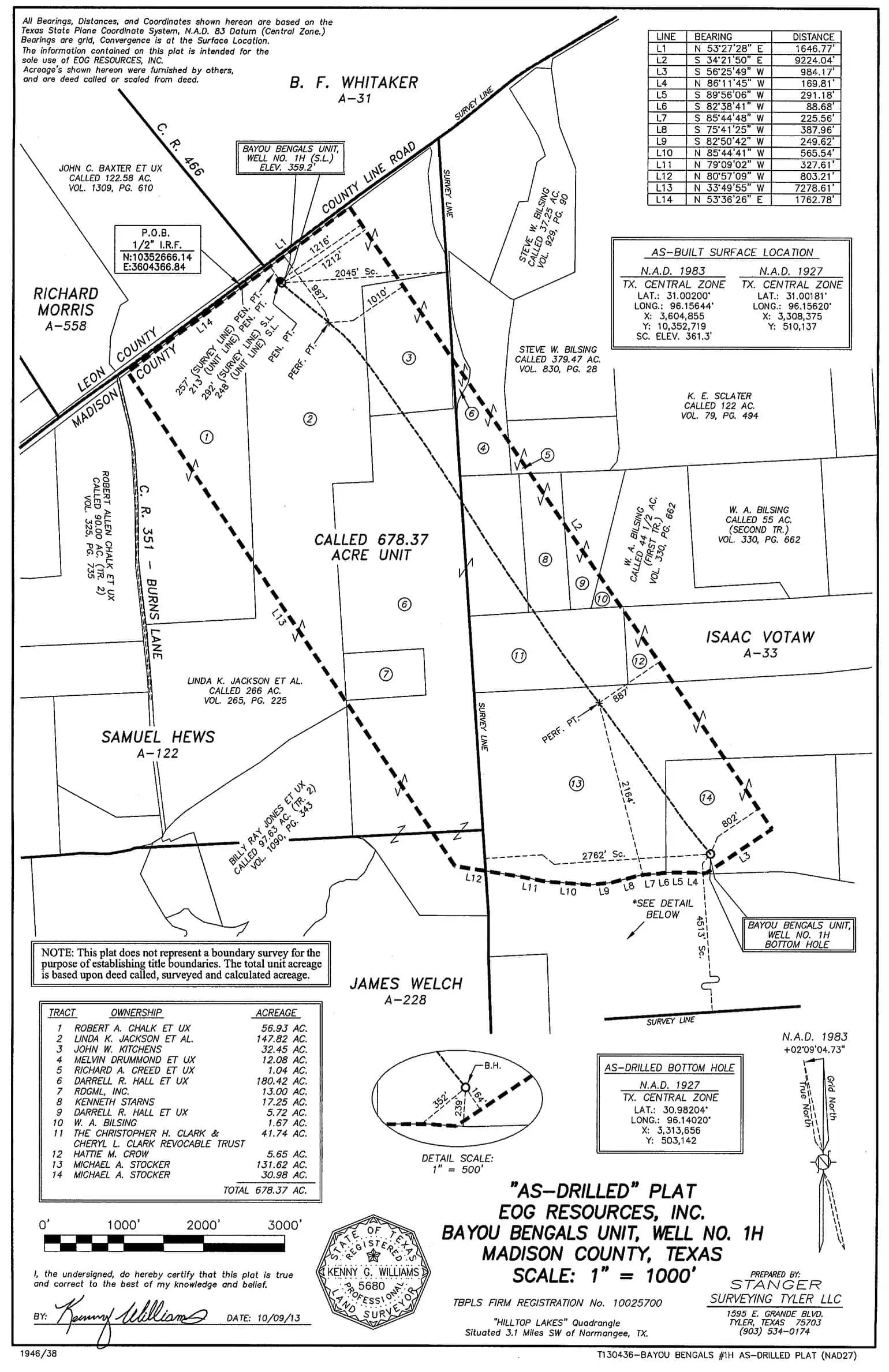
This is why mineral title work is often done by landmen, title attorneys, or abstractors who specialize in energy title. It requires a different level of detail than traditional real estate titles—and a lot more digging. You’re not just confirming ownership—you’re reconstructing the full puzzle over decades or even centuries.
Can you specify certain minerals when conveying or reserving rights?
Yes—mineral rights are often described as a “bundle of sticks,” meaning they can be separated and transferred in many ways. You don’t have to sell or reserve all of the mineral rights under a property. Instead, you can carve out specific minerals or specific rights related to those minerals.
You can divide by type of mineral:
When conveying or reserving rights, you can specify:
-
-
- Only oil
- Only gas
- Oil and gas, but not coal
- Hard rock minerals like lithium, copper, or gold
- Aggregates like gravel or sand (if considered a mineral under state law)
-
This type of reservation is common in areas where certain resources are being actively developed—for example, someone might sell the surface and keep the lithium rights because a battery-grade lithium project is moving in nearby.
You can also divide by type of right:
Even within a single mineral estate, different rights can be split up and owned by different parties. These include:
-
-
- Executive rights – The right to negotiate and sign leases with operators
- Bonus rights – The right to receive upfront lease payments
- Royalty rights – The right to receive a share of production revenue
- Leasing rights – The right to lease minerals for exploration and development
- Right of ingress/egress – The right to access the surface to develop minerals (often tied to executive rights)
-
For example, one person might own the executive rights and get to negotiate leases, while another person owns the royalty interest and gets the revenue.
It all started unified—but rarely stays that way.
Originally, one person (or family) likely owned 100% of the minerals and all associated rights. But over time, through sales, inheritance, and deals with investors or developers, those rights are often “sliced and diced” across multiple parties.
That’s why understanding what’s being conveyed or reserved—and what’s already been separated—is essential before buying or selling mineral interests.
What does it mean to transfer 20% of mineral rights?
On the surface, “20% of mineral rights” sounds simple—but in legal terms, it can mean very different things depending on how the deed is worded and what the seller actually owns.
The language matters—a lot.
Let’s say you own 20% of the mineral estate under a property. Now:
-
-
- If your deed says you’re selling “20% of the minerals,” that’s 20% of the whole mineral estate—and you’re likely selling everything you own.
- But if your deed says you’re selling “20% of my mineral rights,” then you’re only conveying 20% of your 20%—or — or just 4% of the total mineral estate.
-
That difference may sound minor, but in oil and gas law, that nuance is everything. This is why title attorneys and landmen read every deed word-for-word to see what was actually granted or reserved.
Why this gets complicated:
Mineral interests are often fractional to begin with, and owners may not always know exactly what they own. That’s why vague or inconsistent deed language can lead to confusion—and lawsuits.
One famous legal doctrine that comes into play is the Duhig Rule (from Duhig v. Peavy-Moore Lumber Co., 1940). This case established a key principle in Texas (and followed in many other jurisdictions):
If a deed conveys more interest than the grantor actually owns, and it also attempts to reserve an interest, the reservation fails to the extent necessary to fulfill the grant.
In plain English: if you say you’re selling 1/2 of the minerals and reserving 1/2—but you only own 1/2 to begin with—then you just sold the full 1/2 and didn’t successfully keep anything.
Other key points in fractional mineral transfers:
-
-
- Single leases usually cover 100% of the mineral estate, even when there are many fractional owners. The operator will then pay royalties in proportion to each person’s ownership.
- Each mineral owner signs separately (or is force pooled in some states), but there’s no need for 10 different leases—just one lease that covers 100%, with royalties split accordingly.
- Executive rights and royalties can also be divided. You might transfer part of your mineral interest but retain the right to lease or receive bonus payments.
-
Bottom line:
Never assume a percentage is simple. “20% of the minerals,” “20% of my minerals,” and “an undivided 1/5 mineral interest” may all lead to different legal outcomes. That’s why careful deed drafting—and reading prior deeds in the chain of title—is critical.
If I buy land but not the minerals, can someone access my property to drill? What rights does the mineral owner have over the surface?
Yes. In most states, the mineral estate is dominant, meaning the mineral owner (or their lessee) has the legal right to access the surface to extract minerals — even without the surface owner’s permission. This includes building roads, pads, tanks, and pipelines.
Operators are limited to “reasonable use” of the surface and must minimize unnecessary damage. If they exceed that, they can be held liable for damages.
Surface Use Agreements (SUAs)
Though not always required, operators typically negotiate a Surface Use Agreement (SUA) with the surface owner. This outlines:
-
-
- Where drilling and roads can go
- Compensation for surface damages
- Restoration terms after operations end
-
If no SUA is signed, the operator can proceed but must pay damages, often resolved through state law or litigation.
State-by-state differences:
-
-
- Texas: Mineral rights are dominant, but the Accommodation Doctrine may protect certain surface uses.
- North Dakota and Oklahoma: Require statutory surface damage payments if no SUA is in place.
- Colorado: Requires pre-drilling consultation and formal surface use planning.
-
Long-Term Impact
Operators must restore the land after drilling ends, but that could be decades away. Wells often stay active for 30–50 years. The surface owner cannot prohibit access, but can seek damages or negotiate protections upfront.
What happens if a dissolved LLC reserved mineral rights?
The mineral rights don’t disappear — they’re still owned by the dissolved LLC or its successors. Ownership doesn’t automatically revert to the surface owner unless state law provides for abandonment, which is rare and usually requires formal notice and statutory procedures.
When an LLC dissolves, its assets — including mineral rights — become part of the wind-down process. These assets are typically distributed to:
-
-
- The members of the LLC (like shareholders in a corporation), or
- Creditors, if debts are owed.
-
However, if the dissolution wasn’t handled properly or no transfer was recorded in the county clerk’s records, the minerals may still show as owned by the defunct entity in title.
How to find out who owns the interest now:
-
-
- Search the Secretary of State’s records – Most states maintain LLC filings and list the registered agent and members. Start here to identify the people or companies behind the dissolved entity.
- Check dissolution filings – If the LLC was properly dissolved, there may be documentation showing who received the assets.
- Review probate or court records – In some cases, assets transfer through probate or legal action if the LLC’s members are deceased or inactive.
- Quiet title action – If no one steps forward and the chain of title is unresolved, a surface owner (or buyer) may need to file a quiet title suit to clean up ownership—especially if the mineral rights are causing issues with a sale or lease.
-
Does zoning (residential vs. commercial) affect mineral right concerns?
Zoning doesn’t change mineral ownership or dominance—the mineral estate is still legally dominant whether the surface is zoned residential, commercial, or rural. However, zoning does impact how and where development occurs.
In residential areas, mineral development faces more regulatory scrutiny, stricter permitting, and greater pushback from homeowners. Still, if the minerals weren’t previously reserved, the mineral owner (or lessee) retains the right to develop.
A good example is the Barnett Shale in Fort Worth, Texas, where Landmen went door-to-door signing leases in neighborhoods. As a result, there are producing wells throughout suburban areas—often located on small pads tucked between homes, churches, and schools.
Commercial tracts face similar issues. If a company or investor owns the minerals under a shopping center, office park, or warehouse, they still retain the right to access those minerals—even if it’s inconvenient for the surface owner.
The bottom line is, zoning affects how easily mineral development can occur, but it doesn’t override the mineral owner’s legal rights.
Can mineral rights be purchased back after severance?
Yes—but only if the current mineral owner agrees to sell. Mineral rights are real property and follow a separate chain of title from the surface. So, if you own the surface and want to “buy back” the minerals, you’ll need to run title to identify who owns them, then contact those parties to negotiate.
Because mineral interests are often fractionalized, you may have to deal with multiple owners, execute purchase agreements, conduct due diligence, and close like any other real estate transaction.
Before buying, it’s critical to assess the value of future production based on location, geology, and market trends—or have a buyer already lined up so you can arbitrage the spread between what you pay and what they’re willing to pay.
Where do surface rights end and mineral rights begin?
There’s no universal depth where surface rights stop and mineral rights begin—the division is legal, not geological, and it depends on how rights were originally conveyed or severed in the chain of title.
Here’s how it generally breaks down:
-
-
- Water rights (including groundwater) usually belong to the surface owner, but laws vary by state. In many cases, landowners can drill wells and use water beneath their property—subject to local regulation.
- Gravel, sand, caliche, and limestone are often considered part of the surface estate—especially if they’re near the surface and commonly used for on-site construction or development. However, they can be treated as minerals in some states or under specific contracts.
- Oil, gas, coal, and hard rock minerals (like gold, copper, lithium) are nearly always part of the mineral estate and are severed from the surface when mineral rights are conveyed or reserved.
-
So how do you know where the line is? It comes down to:
-
-
- The deed language. Some deeds specifically list which resources are being reserved or conveyed—and that’s the best place to start.
- State law and precedent. Courts in different states interpret things like limestone or sand differently. In Texas, for example, limestone is often considered part of the surface estate, while oil and gas are unquestionably part of the mineral estate.
- Economic use. In legal disputes, courts sometimes consider whether the material is being used in a way that resembles mineral production. For example, if a company is commercially mining gravel and selling it off-site, a court may treat it as a mineral interest—even if it’s shallow.
-
When minerals are severed:
If the mineral estate has been severed from the surface, the mineral owner may claim ownership of any resource legally considered a “mineral” under state law — even if it’s close to the surface. But many shallow materials (like sand and gravel) still “go with” the surface unless expressly included in the mineral deed.
Are wind/solar rights treated like mineral rights?
No—wind and solar rights are part of the surface estate, not the mineral estate. But they can conflict with mineral development.
In places like West Texas, where both oil production and solar development are common, surface use must be coordinated. Since the mineral estate is dominant, a surface owner cannot block access to the minerals—even if a solar array is installed.
To avoid conflict, solar developers often seek surface use waivers from mineral owners or lessees. This waiver gives up the right to use the surface for oil and gas operations. It’s typically negotiated with compensation, especially if the minerals are leased and held by production.
Mineral Rights Q&A: Fracking, Geology, and Drilling
How does fracking work, and how does that complicate mineral rights?
Fracking, or hydraulic fracturing, involves injecting high-pressure fluid into underground rock formations to create cracks and release trapped oil or gas. It is a key technology in unlocking unconventional reservoirs—formations that were traditionally too tight or impermeable to produce from economically.
Historically, oil and gas development relied on conventional reservoirs, where hydrocarbons migrated from a source rock into porous sandstone or limestone formations. These were typically produced using vertical wells. However, with advancements in drilling technology, operators now drill horizontally into the source rock itself—typically shale—which holds vast amounts of hydrocarbons but has extremely low permeability.
Horizontal drilling allows a single wellbore to access thousands of feet of pay zone, and when combined with fracking, it dramatically increases production from these unconventional plays.
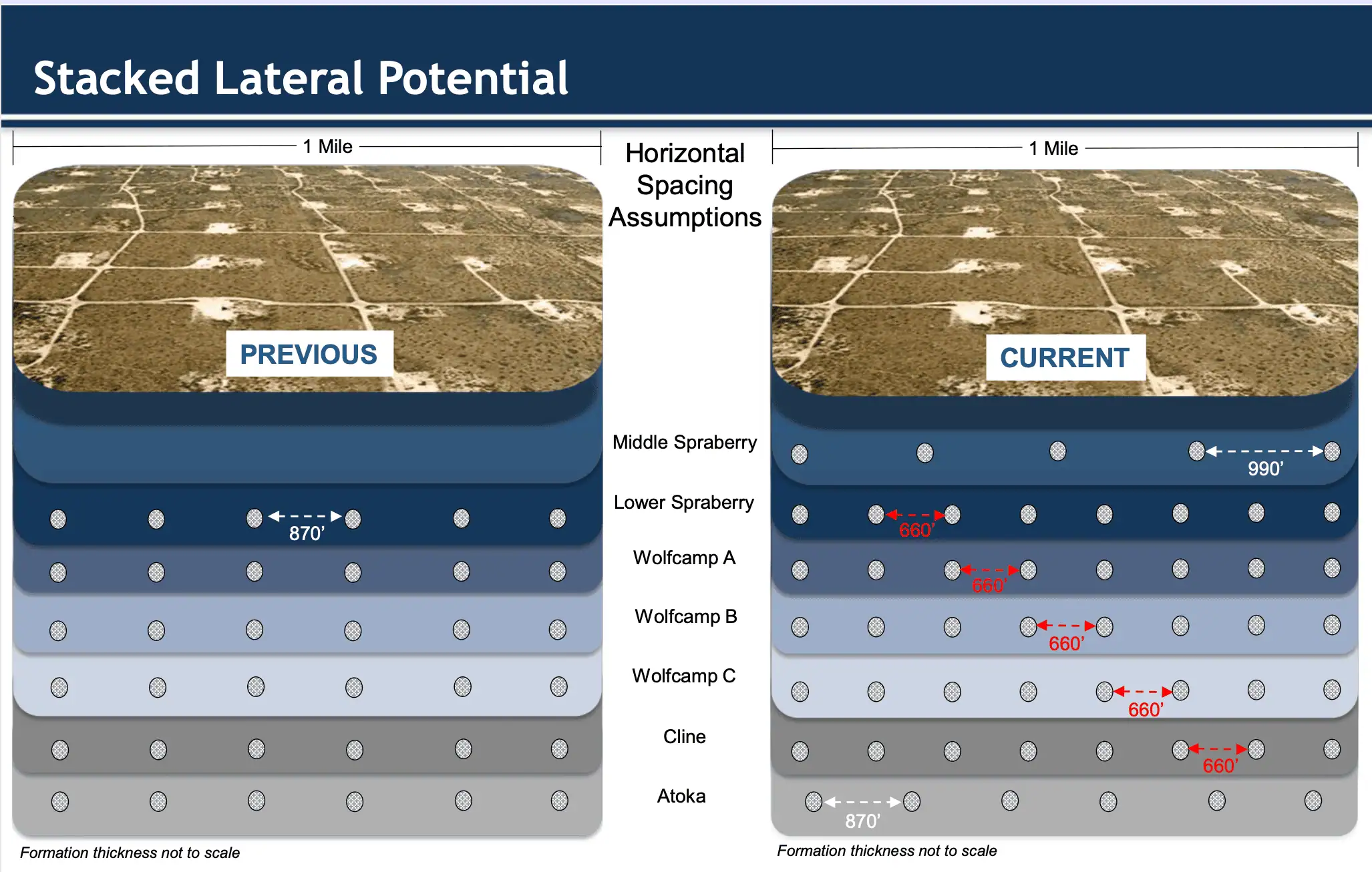
This shift complicates mineral rights because horizontal wells often cross multiple tracts, making it essential to have clear pooling agreements. A well pad on a neighboring tract might legally extract hydrocarbons from under your property—if you’re within the unit and properly leased. That’s why clear unitization, lease boundaries, and division of interest calculations are critical in horizontal development.
Is it ever not a speculative play to buy mineral rights?
Yes—when buying producing minerals with current cash flow or acreage permitted for imminent drilling. Buying proven producing reserves is more investment than speculation.
Reserve classifications help define this distinction. The most reliable category is PDP (Proved Developed Producing), which refers to wells that are actively producing hydrocarbons. These reserves carry the least risk, as engineers can model remaining volumes using historical production data and decline curves.
Other categories include:
-
-
- PDNP (Proved Developed Non-Producing): Reserves behind pipe or in shut-in wells that have already been drilled but aren’t yet producing.
- PUD (Proved Undeveloped): Locations where reserves are known to exist and can be recovered with existing technology, but a well still needs to be drilled. These carry more risk and delay.
- PROB (Probable): Reserves likely to exist based on nearby data, but less certainty in volume or commercial viability.
- POSS (Possible): Highly speculative reserves with the least supporting data—the riskiest classification.
-
When valuing mineral rights, professionals discount each reserve category based on risk. PDP is most valuable due to cash flow certainty. PUD, PROB, and POSS are assigned lower present values due to development risk, commodity price volatility, and timeline uncertainty.
In mature, uniform basins like the Midland Basin, Delaware Basin, or Bakken, even PUD reserves carry relatively low geologic risk. In such areas, the bigger variables are timing and oil/gas prices. Mineral buyers in these regions often purchase rights at a discount to projected future income, assuming risk in exchange for upside potential.
How does the sonar/seismic thing work?
What you’re referring to is called a seismic survey, and it’s one of the most important tools geologists use to find oil and gas underground—before drilling.
Seismic doesn’t work exactly like sonar, but it’s similar in concept. Here’s how it works:
-
-
- Sound waves are sent into the ground using controlled energy sources like small explosive charges or vibrating equipment (called vibroseis trucks).
- These waves bounce off layers of rock underground, and receivers (geophones) at the surface pick up how long it takes for those waves to reflect back.
- Using thousands (or millions) of data points, computers process the timing and strength of these wave reflections to create a 3D model of the subsurface geology.
-
This is critical for exploration because it:
-
-
- Helps identify geologic structures like faults, folds, and trapped layers—which might hold oil and gas.
- Lets geologists map the likely size, shape, and depth of reservoirs.
- Dramatically reduces drilling risk—especially when wells cost $5–10 million or more each.
-
Think about it this way: oil companies don’t just poke random holes in the ground and hope for the best. That would be wildly expensive and inefficient. Seismic data allows them to target the highest-probability areas and avoid wasting money on dry holes.
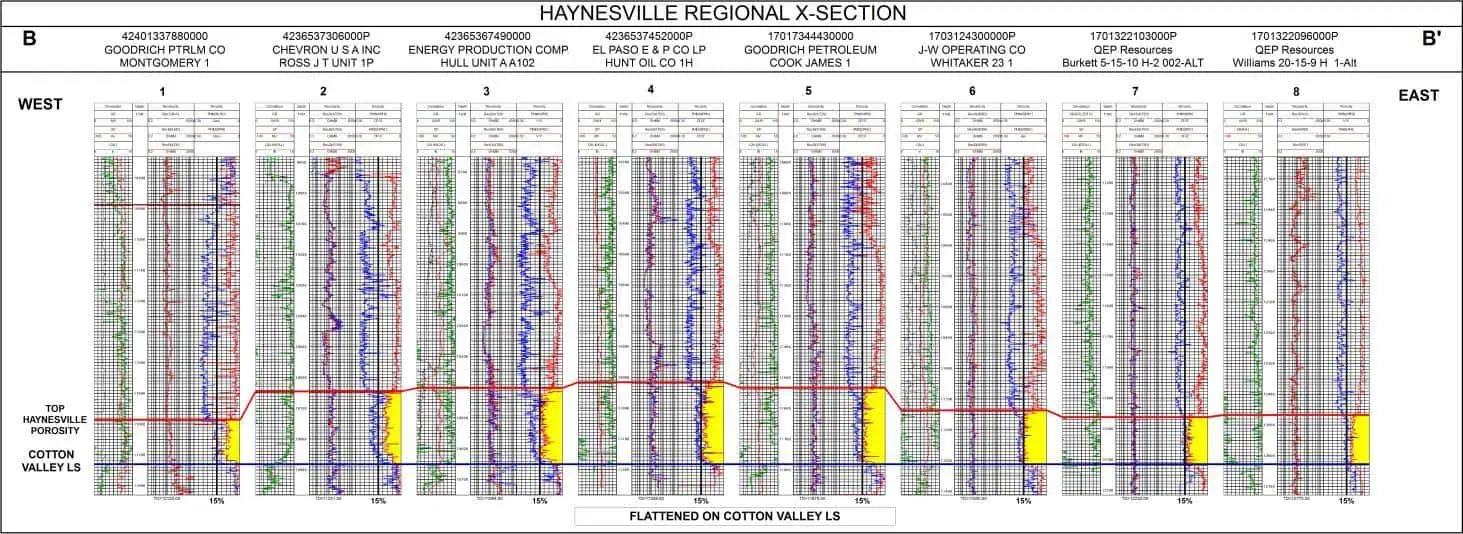
That said, seismic data doesn’t tell you exactly what’s down there. It shows structures that look like they could contain hydrocarbons—but it won’t say how much oil or gas is actually present or how well it will flow. It’s a probability tool, not a guarantee.
So in summary:
-
-
- Seismic helps find the “where”—where to drill
- It helps de-risk exploration
- And it saves millions by avoiding bad wells
-
Which minerals are people most concerned with?
In most parts of the U.S., when people refer to “mineral rights,” they’re typically talking about oil and gas rights—and those are by far the most commonly leased and developed mineral interests today.
But that’s just one piece of the picture.
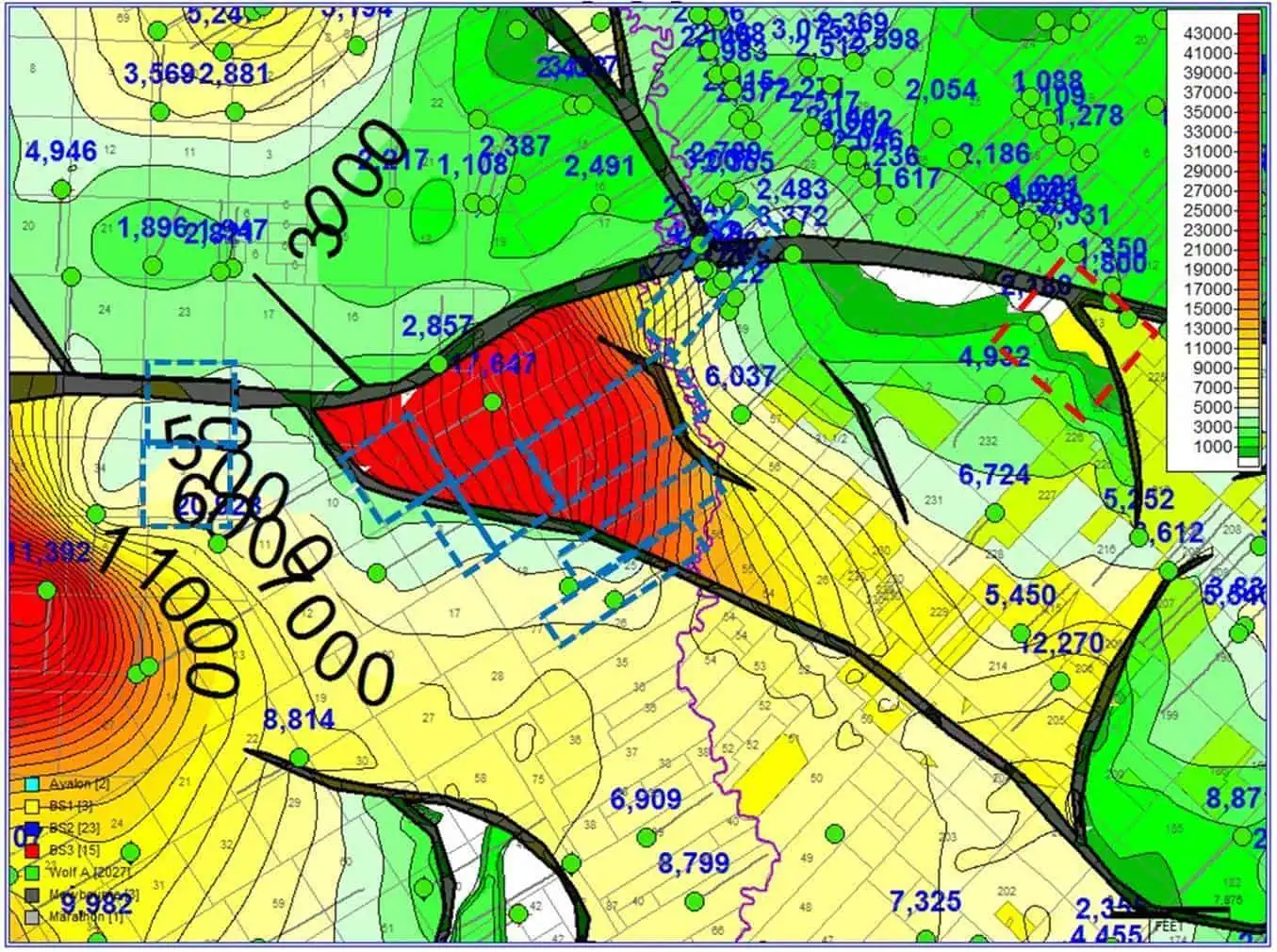
Across the country, depending on geology, demand, and technological advancement, there are many other types of valuable minerals, including:
-
-
- Coal and lignite (especially in the Midwest and Appalachia)
- Hard rock minerals like gold, silver, copper, and zinc
- Industrial minerals such as limestone, sand, and gravel (used for construction)
- Rare earth elements (used in electronics, magnets, and military equipment)
- Lithium (increasingly valuable due to demand for lithium-ion batteries in electric vehicles and energy storage)
-
The key is location and geology. Each region of the country has its own geologic profile. For example:
-
-
- Oil and gas dominate in the Permian Basin (TX/NM), Bakken Shale (ND/MT), Marcellus Shale (PA/WV), and Eagle Ford (TX).
- Lithium is being explored in the Clayton Valley of Nevada and parts of Arkansas.
- Coal and lignite are prominent in Wyoming’s Powder River Basin and parts of North Dakota and Texas.
- Rare earth minerals are being explored in areas of Utah, Wyoming, and California.
-
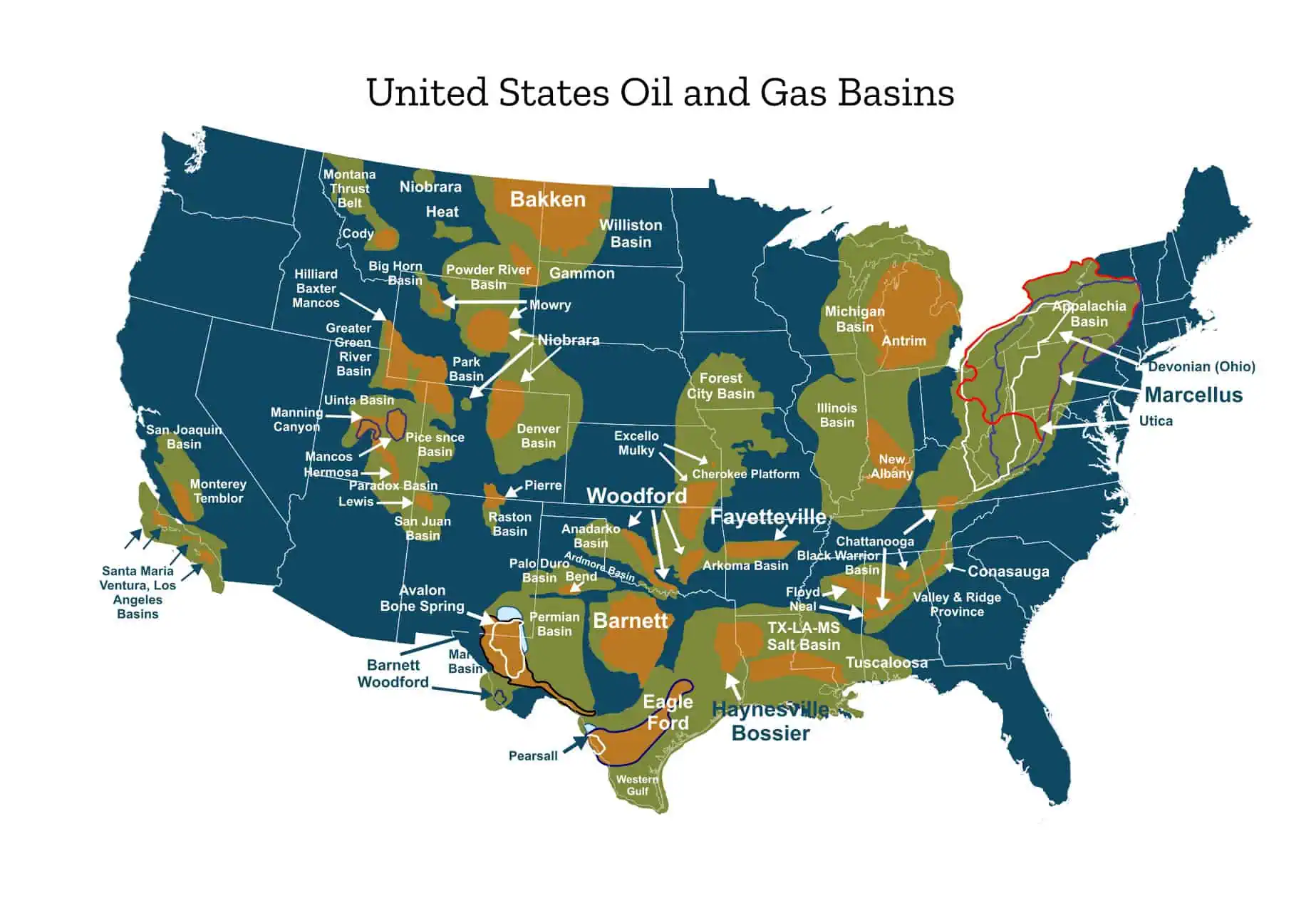
As technology improves and the economics of extraction change, previously uneconomic resources may become viable. What wasn’t worth drilling or mining 10 years ago may now be highly profitable—especially as new industries (like electric vehicles and green tech) create fresh demand for different minerals.
For landowners:
-
-
- It’s important to understand what natural resources are typically found in your region.
- Check your state’s geologic or mineral resource maps.
- Look at historical records to see if any minerals were previously explored, mined, or drilled on your land or nearby.
- Consider using a platform like LandGate or reaching out to a geologist or land professional if you suspect your property may have untapped potential.
-
Even if your property isn’t currently leased or producing, it may still carry mineral value based on its location, geology, and surrounding activity.
Are there states where mineral rights don’t have value?
Yes—mineral rights only have value if the subsurface contains something that can realistically be extracted and sold for a profit. That depends on a combination of geology, location, market demand, and technology.
While oil and gas rights are highly valuable in certain regions (like Texas, Oklahoma, and North Dakota), there are many parts of the country where mineral rights currently hold little to no value, especially for oil and gas. This is common in parts of the Upper Midwest, the Northeast, and certain interior regions where no proven productive formations exist.
But the reality is more nuanced than just “state by state”—in fact, it’s often county by county, or even section by section within a county.
Key factors that impact value:
-
-
- Geologic formations don’t follow county or state lines. Subsurface rocks were formed over millions of years, long before property boundaries existed. As a result, one part of a county might sit on a highly productive shale layer, while the next section over has no reservoir rock at all.
- Value is based on future productive potential. If no drilling or mining is happening nearby—and no one’s leasing—the market is telling you there’s likely little value there at this time.
- Technology and economics matter. Even if there is some resource underground, it might be too deep, too tight, or too dispersed to be extracted economically with current technology. That can change over time, as we’ve seen with shale development and rare earth elements.
-
That said, some areas that don’t have oil or gas potential may still have value in other ways:
-
-
- Aggregates like gravel, sand, or limestone
- Hard rock mining (gold, copper, lithium, etc.)
- Coal or lignite (though in decline in many regions)
- Carbon credit leasing or geothermal potential
-
The bottom line is large swaths of the U.S. have mineral rights with little to no current market value. But that’s not always permanent. Value is driven by geologic potential, operator interest, commodity prices, and technological advancements. Even in non-producing areas today, certain minerals could become valuable in the future.
Mineral Rights Q&A: Valuation and Investment
How do you appraise the value of mineral rights?
Valuing mineral rights requires a combination of financial modeling, comparable sales, and geologic analysis. The main approaches include:
- Income approach: This is based on the discounted cash flow (DCF) of projected royalty income. For example, if an operator drills a well expected to produce 500,000 barrels of oil over its life, and you own a 1/8 royalty interest (12.5%), your share would be 62,500 barrels. At a $70 oil price, that equals $4,375,000 in gross royalty revenue. Applying a discount rate of 15% over the projected decline curve allows investors to calculate the net present value (NPV) of those future royalties in today’s dollars—possibly closer to $2.5–$3.2 million depending on timing and risk profile.
- Reserve categories and risk discounting: These future revenues are weighted based on their classification:
-
-
- PDP (Proved Developed Producing): Low risk; already producing. Discounted at 8–12%.
- PDNP (Proved Developed Non-Producing): Behind-pipe or shut-in wells. Slightly more risk at 12-15%.
- PUD (Proved Undeveloped): Drillable but not yet drilled. Discounted at 20–25%.
- PROB (Probable): Less certain than PUDs; may depend on spacing or market conditions. Discounted at 25–40%.
- POSS (Possible): High risk, highly speculative. Often discounted heavily or excluded.
-
- Geological potential: Investors evaluate whether the minerals lie within a known productive basin—like the Midland Basin, Bakken, or Delaware—where formations are continuous and well understood. In these areas, much of the risk is reduced to timing and commodity pricing rather than geological uncertainty.
- Market comps: Recent comparable sales offer insight into current market sentiment. These are typically expressed in dollars per net mineral acre (NMA). In active areas, PDP-heavy tracts may sell for $15,000–$30,000/NMA, while undrilled, speculative tracts trade for significantly less depending on location and operator activity.
What if you buy mineral rights, and the well runs dry the next day?
That’s one of the core risks of buying mineral rights—and it’s why valuation must be based on future cash flow, not just current production. When you buy mineral rights tied to a producing well, what you’re really buying is a share of the revenue that well will (hopefully) generate going forward. If that well stops producing, your income stream can disappear overnight.
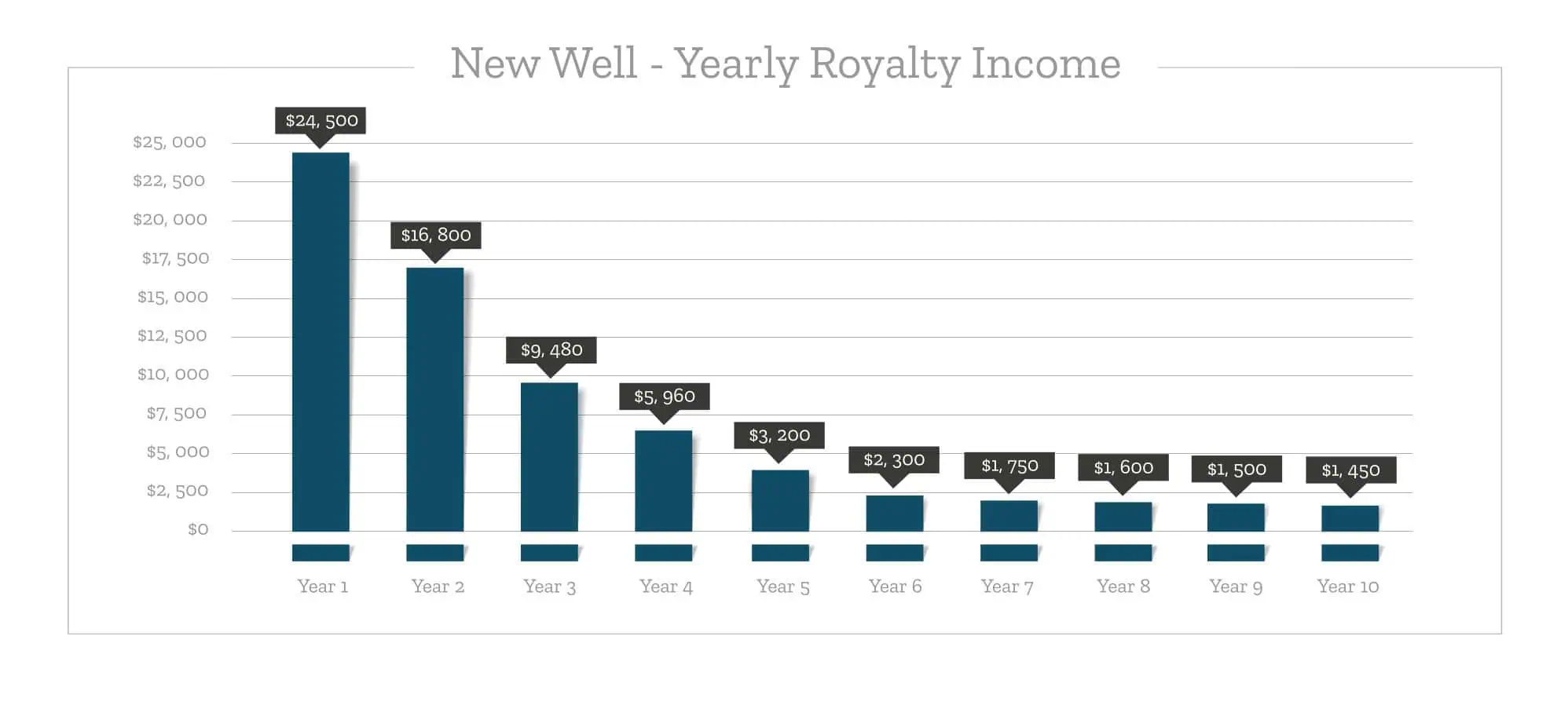
Here’s why that happens and what to understand:
- Wells decline over time. Every well has a production curve—it typically produces a lot early on and then declines, sometimes sharply. This is called a decline curve, and it’s a key tool used to model future production.
- Equipment and economics matter. Older wells use aging equipment, and production costs often rise over time. If the expected remaining oil or gas isn’t valuable enough to cover the cost of getting it out of the ground, the operator might shut the well in (temporarily) or plug it (permanently abandon it).
- Reserve life is limited. Engineers can usually estimate how much recoverable resource remains based on production data. If a well doesn’t have enough “life” left to justify maintenance or rework, it will likely be shut-in or plugged.
- Mineral owners don’t control the operator. As a mineral rights owner, you aren’t in charge of operations—the oil or gas company is. That means they decide whether to reinvest in the well, sell to another operator, shut it in, or drill another one nearby. However, staying in touch with the operator (or checking public records) can help you understand their development plans.
- Know what you’re buying. Before buying mineral rights, especially in a producing area, try to review:
- Well history: When was it drilled? What’s its production trend?
- Operator behavior: Are they active in the area?
- Remaining reserves: How much oil or gas is likely left?
- Offset drilling: Are other wells being drilled nearby?
Bottom line: if you buy into a well late in its life and it gets shut in right after, you may have overpaid. That’s why smart mineral buyers use decline curves, production history, and economic modeling to estimate future revenue—and apply a discount to reflect the risk that things don’t go as planned.
Could a lack of mineral rights hurt my resale value?
Yes—especially with informed buyers in actively explored areas of oil and gas, coal and other minerals.
That said, value depends on market context. If you’re buying and the seller doesn’t assign value to the minerals, you’re not really paying for them. If the property is in an area with no known production, there might be very little if any value.
But if you’re selling in a known oil and gas area and you own mineral rights, it makes sense to separate the value of the surface from the minerals—since the minerals may represent future revenue from leasing, royalties, or production.
Smart sellers in producing regions often reserve the minerals or negotiate a separate sale, especially when there’s clear geologic and operator interest.
Is there a marketplace for buying/selling mineral rights?
Yes. Examples: EnergyNet, LandGate, MineralWare, US Mineral Exchange, Energy Domain, direct mail offers, brokers, and auction platforms. Private equity also actively buys minerals.
How do you evaluate mineral rights as an investment?
Estimate potential:
- Royalty % and lease terms
- Likelihood of leasing
- Drilling permits nearby
- Historical production Then model projected cash flows, apply a discount rate (often 10–25%), and compare to purchase price.
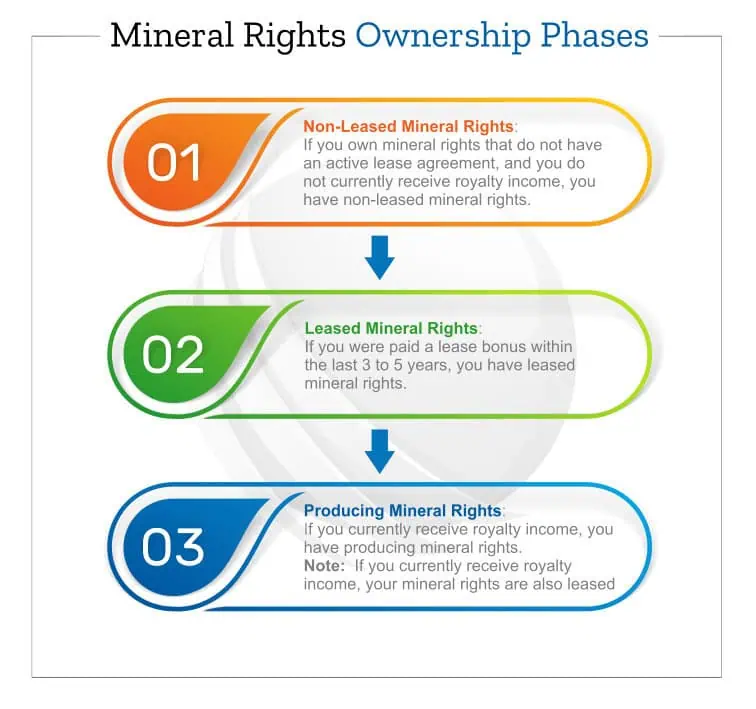
Mineral Rights Q&A: Leasing and Royalties
How big of a concern is it when mineral rights are reserved?
If there’s no current mineral development in the area, it may be a minor concern. In active basins, it can affect land use, development, and property value. Always check to see what kinds of activity have historically occurred around your area.
How do I calculate how much my royalty should be? (Understanding Division of Interest)
Your royalty check is based on your Division of Interest (DOI)—which represents the fraction of total production you’re entitled to from a well or unit. To calculate this, you need to know:
- How many net mineral acres (NMA) you own
- The size of the unit the well is drilled in
- The lease royalty rate (typically between 12.5% and 25%)
Example scenario:
You own 50% of the minerals under a 20-acre tract, and that tract is part of a 640-acre pooled unit. You signed a lease with a 20% royalty.
Step-by-step calculation:
- Calculate your Net Mineral Acres (NMA). You own 50% of the 20-acre tract: 20 acres × 0.50 = 10 NMA
- Divide your NMA by the total unit size. You are part of a 640-acre pooled unit: 10 NMA ÷ 640 acres = 0.015625
- Multiply by your lease royalty rate. You signed a lease at 20% (0.20): 0.015625 × 0.20 = 0.003125
Final result:
Your Division of Interest (DOI) is 0.003125. That means you would receive 0.3125% of the revenue from that well’s production.
So if the operator sells $1,000,000 of oil and gas in a given month, your share would be: $1,000,000 × 0.003125 = $3,125
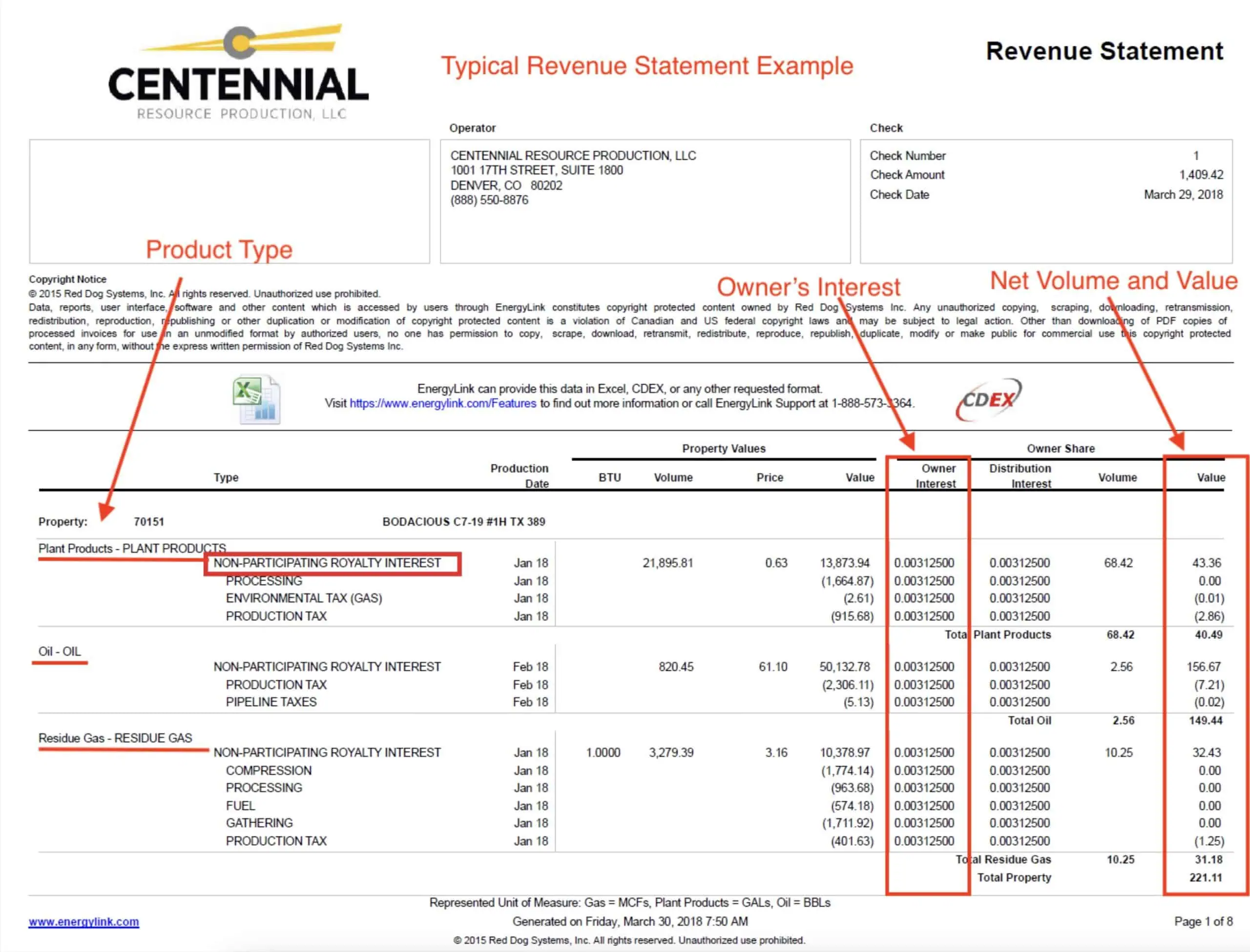
Why this matters:
Even a small DOI can add up over time, especially when prices are high or if you’re part of multiple wells. Understanding this math helps you verify royalty checks and evaluate what your minerals might be worth if you choose to lease or sell.
Let me know if you want to show how multiple tracts or leases impact the calculation, or if we should move to the next question in your list.
What is a pooled unit, and how does it affect my royalty payments?
A pooled unit is a legal mechanism used in oil and gas to combine multiple tracts of land—often owned by different people—into one unit for the purpose of drilling a single well. Instead of drilling a separate well on each tract (which would be inefficient and costly), the operator drills one well and shares the production revenue proportionally among all the mineral owners in the unit.
This process is called pooling, and it’s typically authorized in the oil and gas lease through a pooling clause. In some states, if not all mineral owners agree to lease, the operator can still form a unit through forced pooling with regulatory approval.
Why pooling matters:
- Protects mineral owners. Pooling ensures you get paid your share of production—even if the well isn’t located directly on your tract. Revenue is divided based on how much acreage you contribute to the unit and your lease terms.
- Protects operators. It prevents legal disputes over drainage and allows operators to drill the most efficient well, often saving millions in development costs.
- Preserves the value of the reservoir. Pooling avoids drilling unnecessary or competing wells that could reduce pressure and waste the resource.
How royalties are affected:
Your Division of Interest (DOI) is calculated using this formula: (Net Mineral Acres ÷ Unit Size) × Royalty Rate
For example, if you own 10 net mineral acres in a 640-acre unit with a 20% royalty: (10 ÷ 640) × 0.20 = 0.003125 or 0.3125%
That’s your share of all revenue from the well in the pooled unit.
Mineral Rights Q&A: Legal Issues and Regulations
Who regulates mineral rights at the state level?
Mineral rights are considered real property, and their ownership is governed by state property laws and decades of court precedent. These legal frameworks evolve over time as new cases test old interpretations—especially around conveyance, severance, and title disputes.
Meanwhile, exploration and production activities, such as drilling, pooling, permitting, and surface impact, are typically regulated by a state agency. For example:
- Texas: Texas Railroad Commission (RRC)
- North Dakota: Industrial Commission
- Colorado: Colorado Energy & Carbon Management Commission (ECMC)
There’s often interplay between the courts and agencies. Here’s how it typically breaks down:
- Handled by courts/legal precedent:
- Who owns what (title disputes)
- Mineral vs. surface rights interpretation
- Deed language and reservations
- Executive rights and royalty claims
- Handled by state regulatory agencies:
- Well spacing and permitting
- Forced pooling rules
- Surface use and environmental compliance
- Flaring, production reporting, and abandonment
A mineral owner might end up in both systems: leasing or pooling disputes may go through the agency, while ownership or revenue share disagreements are resolved in court.
How does a surface use agreement work?
A Surface Use Agreement (SUA) is a private contract between the surface owner and the mineral rights holder (or their lessee). It outlines how the operator can access and use the land to drill for minerals.
Typical terms include:
- Ingress and egress access points
- Pad site and road placement
- Payment for surface damages
- Cleanliness and maintenance obligations
- Restoration requirements after operations are complete
While the mineral estate is dominant, SUAs help clarify rights, avoid disputes, and ensure fair compensation to the surface owner.
What’s the difference between surface rights, mineral rights, royalty interests, and other types of ownership?
Think of the fee simple estate (full ownership of land) as a bundle of sticks—each stick represents a different right that can be separated, conveyed, or retained. Over time, these rights are often split among different parties. Here’s how the key components break down:
- Surface rights – The right to use and occupy the surface of the land (e.g., farming, building, access). Does not include subsurface rights unless specifically retained.
- Mineral rights – Ownership of the subsurface minerals (oil, gas, etc.) and the right to explore, drill, and produce—or lease those rights to someone else.
- Executive rights – The authority to negotiate and sign oil and gas leases on behalf of all or part of the mineral interest.
- Royalty interest – The right to receive a share of production revenue, without bearing drilling or operating costs. Usually expressed as a percentage of production.
- Non-participating royalty interest (NPRI) – A royalty interest that does not include executive rights. The holder gets paid royalties but cannot negotiate or sign leases.
Each of these can be split off and sold or inherited separately. That’s why clear title and deed language are critical in mineral transactions.
If I own surface but no minerals, do I get compensated for drilling?
Not directly. You may be compensated for surface damages, but not royalties unless negotiated separately.
How are lease offers handled when multiple people own the same minerals?
When multiple people own undivided interests in the same mineral tract, each person owns a percentage of the entire property, not a specific section. As a result, each owner has the right to negotiate and sign their own lease with the operator.
In some cases, family members or co-owners choose to negotiate jointly under a single lease. But more commonly, each owner signs a separate lease, often with different terms. An owner with a larger interest—or one strategically located within a planned drill site—may have more leverage to negotiate for a higher royalty, better surface protections, or operational restrictions.
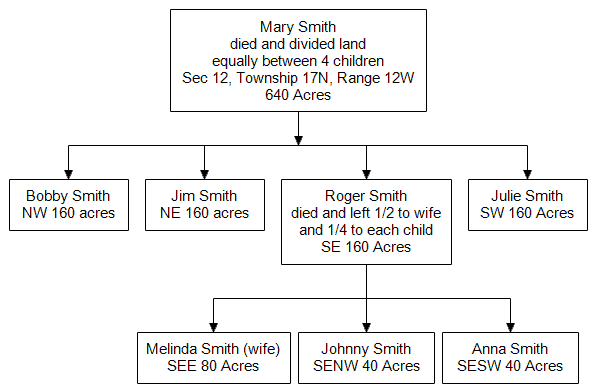
If most owners lease and a few hold out, forced pooling laws in some states (like Oklahoma and North Dakota) allow the operator to pool those unleased interests under regulatory oversight.
Can mineral rights be abandoned from non-use?
In some states, yes—but it’s rare. A few states have Dormant Mineral Acts that allow surface owners to reclaim severed mineral interests after a long period of non-use.
For example, Louisiana has a “prescription of nonuse” rule: if mineral rights aren’t used (e.g., leased, produced, or explored) for 10 years, they automatically revert to the surface owner unless action is taken to preserve them.
Other states like North Dakota, Ohio, and Indiana have Dormant Mineral statutes, but the process isn’t automatic. Surface owners must file affidavits or court actions and give notice to the mineral owners or heirs. If no response is made, the minerals may be cleared and transferred.
These laws vary widely in terms of timing, process, and enforceability, and they’re not recognized in most major producing states like Texas or Oklahoma.
Can buyers find surprise encumbrances after closing?
Yes—it’s common to discover unrecorded leases, outdated production still holding a lease, fractional interests passed through generations, or prior conveyances that weren’t properly documented. These issues can cloud title, delay leasing, or reduce your actual interest. To avoid this, conduct a full mineral title review, not just surface title—ideally with a landman or title attorney familiar with oil and gas.
What due diligence steps should I take in mineral-rich areas?
If you’re buying property in an oil- and gas-producing area—and you’re unsure whether mineral rights are included—follow this plan:
- Start with the title company. Ask if they can recommend a title abstractor to pull a full chain of title for the mineral estate. This will help you see if any prior owners reserved or conveyed mineral rights.
- Hire a landman. A qualified landman can prepare a Mineral Ownership Report (MOR), showing what mineral interest, if any, is still attached to the property.
- Check for leases and production. If the minerals are leased and currently producing, the lease may be held by production (HBP). Ask the seller if they’re receiving royalties — this should come up during negotiations.
- Verify royalty status. Contact the owner relations department of the operator listed on nearby wells. Ask if they’re paying royalties on the tract and request confirmation of ownership.
- Review royalty statements. If the seller is receiving royalties, request a recent paystub. It will show their division of interest and monthly payments. This helps you estimate current and future value.
- Assess future upside. Use public drilling records or consult a local landman to evaluate whether additional wells are likely. This can significantly impact value.
This process helps you avoid surprises and determine whether the mineral interest is worth pursuing—or if you’re just buying the surface.
Are there protections against destructive extraction if I don’t own minerals?
Some protections exist, but they vary by state. Many states require operators to negotiate a Surface Use Agreement (SUA) or pay surface damages. However, if you purchase land after an SUA is already in place, you’ll be bound by the terms your seller agreed to.
Operators must generally confine activity to a defined surface pad, and while drilling can be noisy and disruptive, most of the mess stays within the pad boundaries. Urban areas often have stricter zoning, setbacks, and permitting requirements, but none of this overrides the fact that mineral owners retain the right to develop their resources.
If no SUA exists, you still have the right to reasonable use protections and may seek compensation for excessive damages—but enforcement usually requires legal action.
What should be in a lease to protect the landowner?
If you own both the surface and mineral rights, you have more leverage to negotiate lease terms that protect your land and prevent long-term encumbrances. Key provisions to include:
- Surface Use Restrictions – Limit where roads, pads, and equipment can go. Require fencing, noise control, and site restoration.
- Pugh Clause – Ensures only producing acreage is held by the lease, releasing any undeveloped portions after the primary term.
- Royalty Clause – Specify royalty percentage and restrict or prohibit post-production deductions.
- Shut-in Clause – Requires timely shut-in payments if a well is not producing, and sets limits on how long the lease can be held without activity.
- No Assignment Without Consent – Allows you to approve or deny lease transfers to third parties.
- Depth Severance Clause – Releases deeper or shallower zones that are not drilled.
- Many other clauses are needed to properly construct an oil and gas lease. It is recommended you work with a knowledgeable oil and gas attorney to help you with ensuring you have a well negotiated lease that protects you as the mineral owner, as well as protect the surface estate.
If the operator wants to drill on your property, you’ll also want to negotiate a separate Surface Use Agreement (SUA) to cover compensation, site layout, and surface restoration.
Should I get title insurance covering minerals?
Most title insurance policies exclude mineral rights. If you want to verify mineral ownership, the standard approach is to hire a landman to run mineral title and produce a Mineral Ownership Report.
To take it further, you can have an oil and gas attorney issue a title opinion based on that report. While this isn’t the same as title insurance, a title opinion provides a legally reviewed analysis of ownership and can be used to support your position in case of a dispute. It’s the closest equivalent to title insurance in the mineral world.
Can I 1031 exchange mineral rights?
Yes—mineral rights qualify as real property for 1031 exchange purposes, as long as they’re perpetual (not leasehold interests). This means you can defer capital gains taxes by exchanging mineral rights for other qualifying real estate, or vice versa. However, the properties must be “like-kind,” and the exchange must follow strict IRS timelines and procedures. Always consult a 1031-qualified intermediary and tax advisor before proceeding.
What happens to mineral rights in a tax sale or foreclosure?
It depends on how the rights are severed. If the mineral rights are separate from the surface, a tax sale of the surface typically does not include the minerals—they remain with the original mineral owner. But if the mineral rights were never severed, they may transfer with the surface unless separately protected. Always check the chain of title and any recorded severances when evaluating tax sale properties.
Share Your Thoughts
-
-
- Leave your thoughts about this episode on the REtipster forum!
- Share this episode on Facebook, X, or LinkedIn (social sharing buttons below!)
-
Help out the show!
-
-
- Leave an honest review on Apple Podcasts. Your ratings and reviews are a huge help (and we read each one)!
- Subscribe on Apple Podcasts
- Subscribe on Spotify
-
Thanks again for listening!







Great conversation! Vernon’s insights into breaking into the appraisal profession are both practical and motivating. At GoSource Valuation, we’re always eager to support new and experienced appraisers in delivering accurate, compliant valuations across the U.S.